A new study by NIN/ICMR highlights India’s low protein and high carbohydrate consumption as a key driver of diabetes.
It’s an important observation — but the conversation it’s sparking might be missing the bigger picture.
The NIN/ICMR report focuses largely on macronutrient ratios — but calorie intake is arguably a more critical factor for metabolic health.
No matter how “balanced” your macros are, eating more than your body burns eventually leads to weight gain, insulin resistance, and metabolic disorders.
If low protein was the sole cause, how do we explain this:
🇺🇸 United States – 50% carbs | 35% fat | 15% protein
🇮🇳 India – 60% carbs | 28% fat | 12% protein
Yet, diabetes prevalence: U.S. 11% vs India 8%.
India is still labeled the diabetes capital of the world — not necessarily because of one macronutrient, but possibly because of how much and how often we eat.

We’ve started moralizing nutrients — carbs are “bad,” protein is “good,” fats are “complicated.”
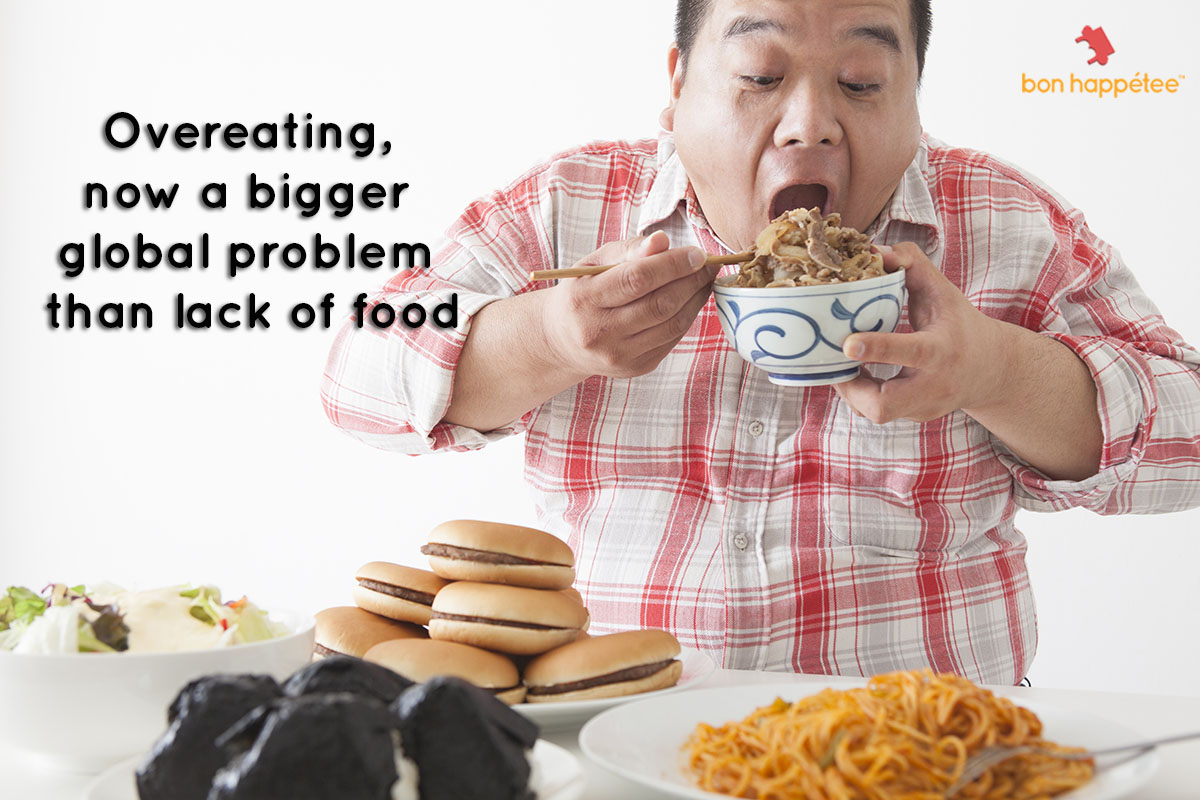
But the real issue might simply be eating too much, even when it’s “healthy.”
Too much rice or roti.
Too much paneer or ghee.
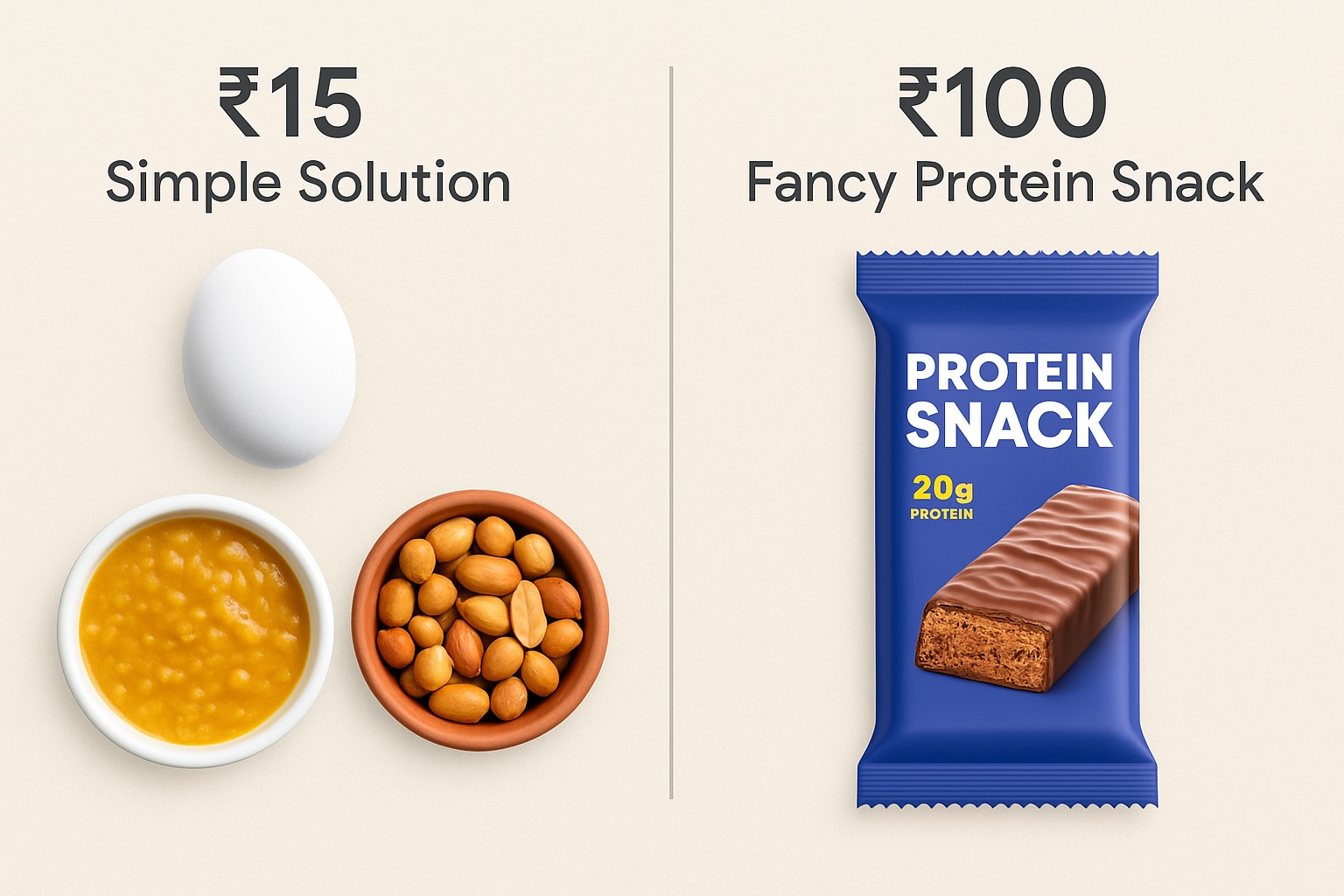
Even too much of that new protein smoothie.
Overconsumption is overconsumption — whether it’s carbs, fat, or protein.
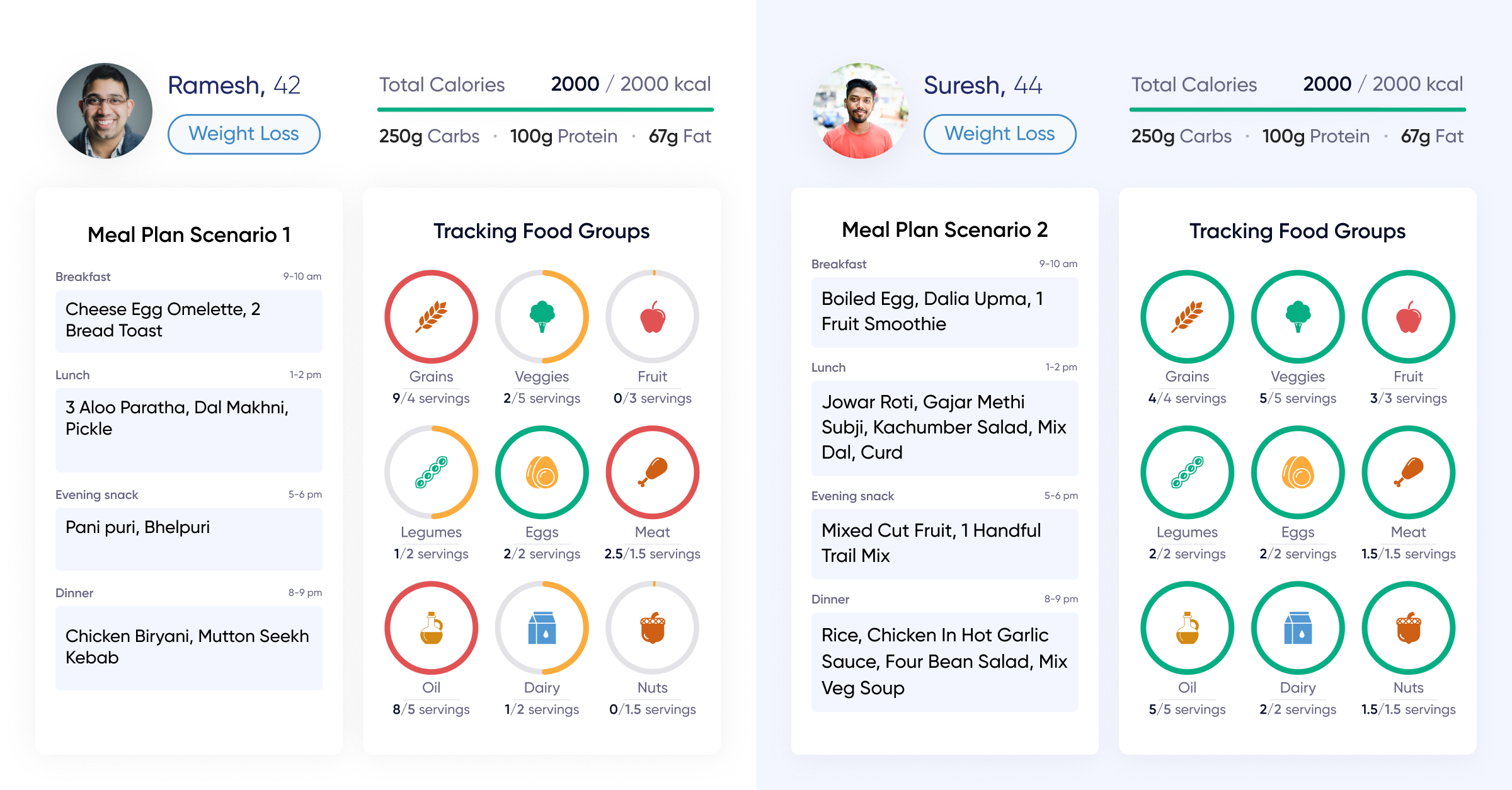
The key isn’t vilifying a macro. It’s balancing total calories.
Calorie balance remains the most fundamental rule of weight and metabolic management.
But to do it right, you need accurate, culturally relevant nutrition data — not generic Western databases built around burgers and salads.
That’s where Bon Happetee’s Indian Food & Nutrition API comes in:
✅ Built on 20,000+ Indian foods, recipes, and meal patterns
✅ Includes verified macros, portion accuracy, and regional names
✅ Enables calorie-aware personalization for Indians globally — whether they eat dal, dosa, or dhokla
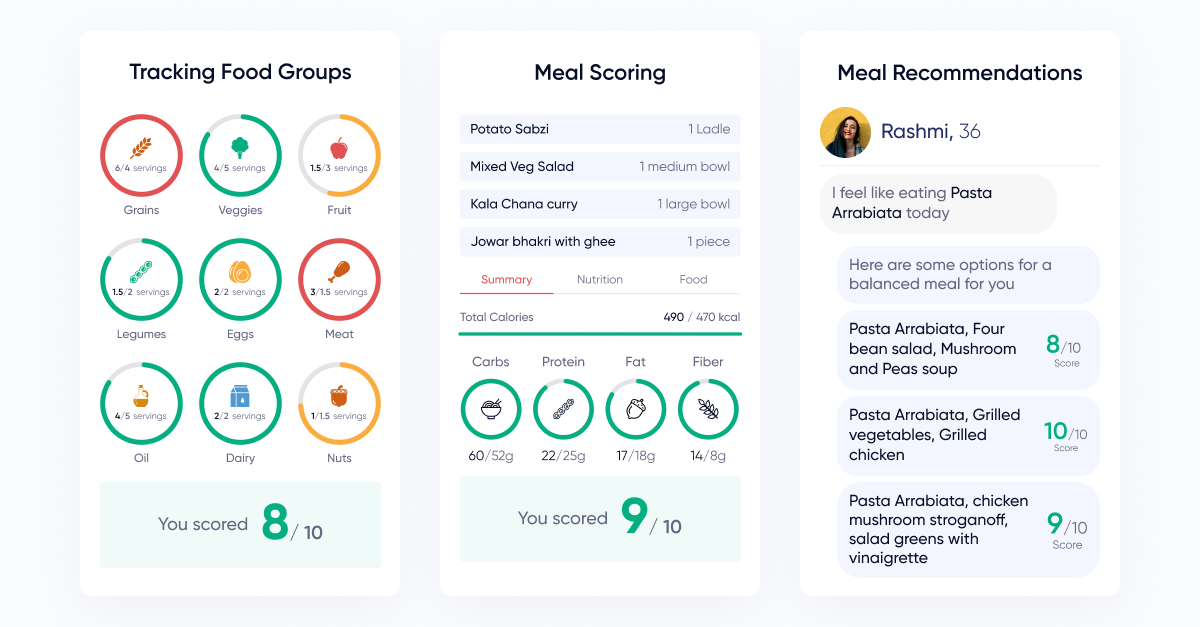
And with our Caddy app, we’re taking that accuracy directly to the user — helping every Indian, anywhere in the world, track food and calories that actually make sense for their plate.
Whether you’re in Mumbai, Melbourne, or Manhattan, your food habits are still deeply Indian.
Our tools help you track and manage your nutrition in a way that respects both — your culture and your metabolism.
Stop counting only protein grams. Start counting what really matters — total calories.
Because balance, not obsession, is what brings lasting metabolic health. Try getcaddy.ai