Why Cultural Relevance Is the Missing Piece in Weight Loss**
Calorie tracking is one of the most powerful tools for weight loss.
It’s backed by decades of science, works universally, and helps people build real awareness around food.
So why do most Indians fail at calorie tracking?
Here’s the truth nobody says out loud:
👉 Calorie tracking doesn’t fail. People fail calorie tracking — because the apps are designed wrong for Indians.
Let’s break down exactly why.
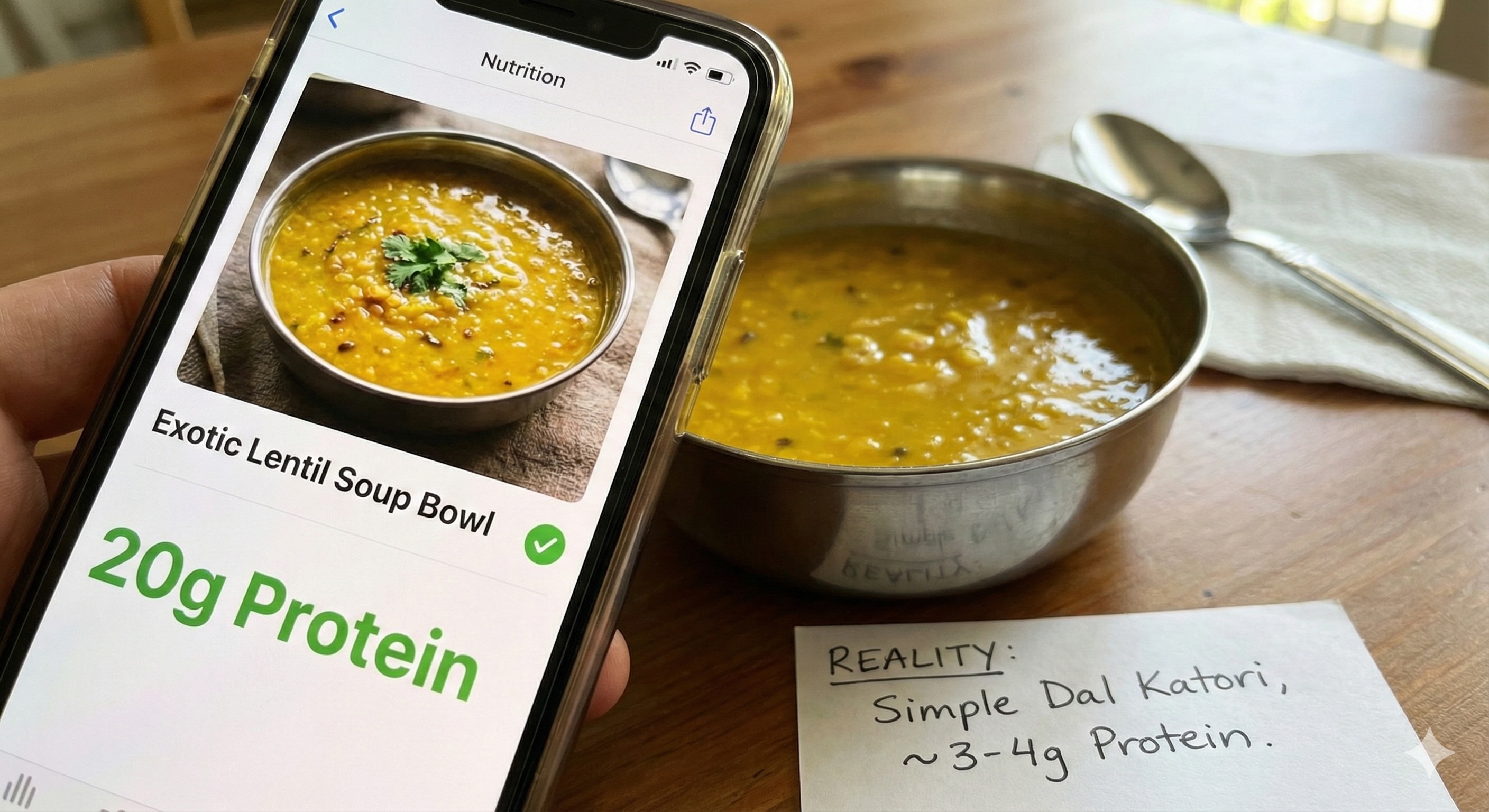
A typical Indian eats a katori of dal with around 3–4 grams of protein.
But most global calorie-tracking apps identify it as:
“Lentil soup — 1 bowl — 20 grams protein.”
That’s a 7x error in a daily staple.
And it’s not just dal.
When the food database doesn’t understand your cuisine, every macro you see is wrong.
And when the measurements don’t match your culture —
katori vs bowl, ladle vs cup, roti sizes, homemade portions —
your calorie count becomes pure guesswork.
Weight loss demands accuracy.
But most apps give Indians Western data wearing Indian names.
This is where cultural irrelevance becomes comical.
Indian users open an app hoping for practical advice.
Instead they get:
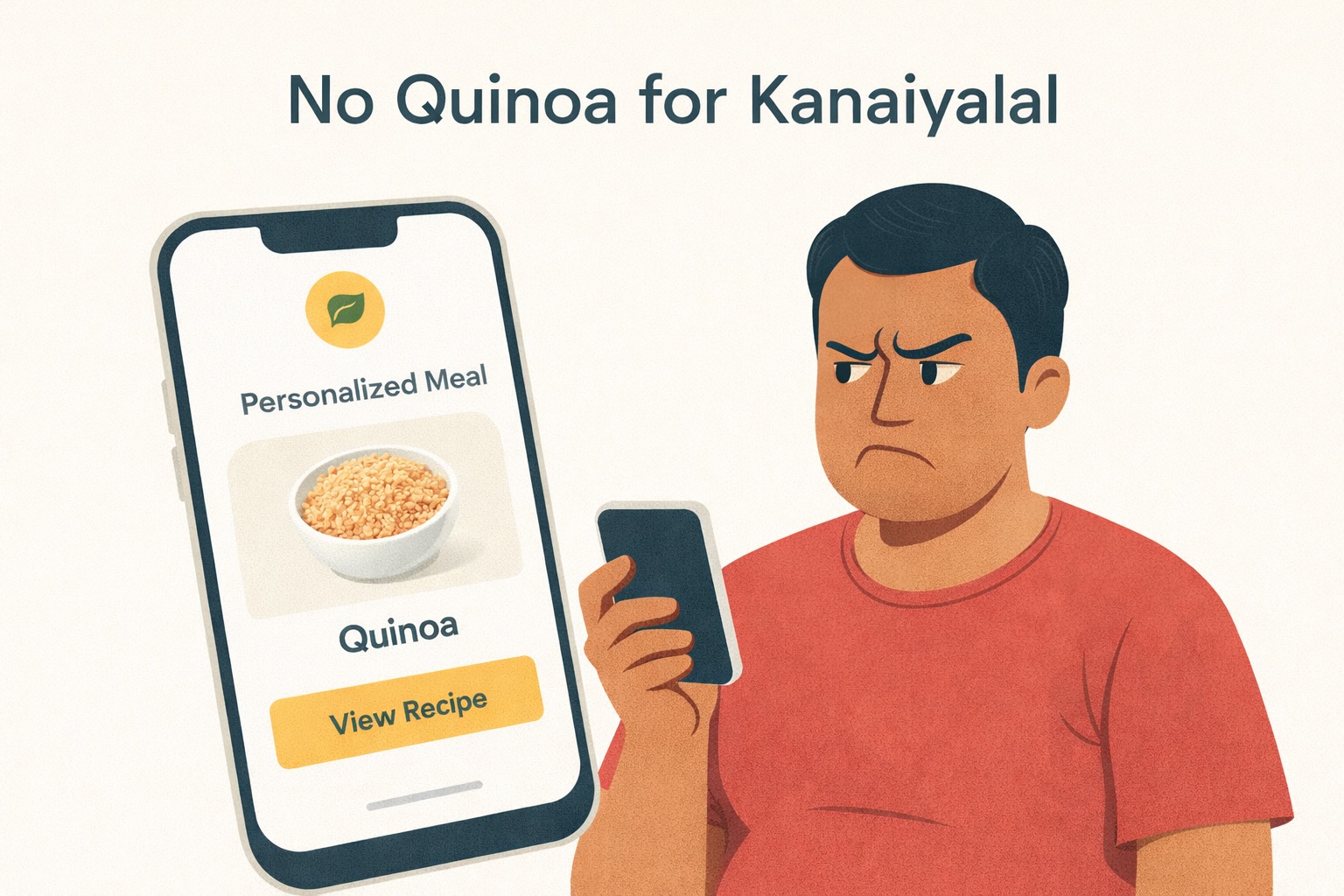
“Replace roti with quinoa.”
“Swap dal for chickpea salad.”
“Avoid rice completely.”
It’s tone-deaf.
It’s impractical.
And it fails because it ignores how Indians actually live, cook, and eat.
Many users joke:
“No quinoa for Kanaiyalal, please.”
The truth is simple:
👉 A sustainable diet must reflect your culture, not erase it.
Most calorie apps show:
This works for hardcore athletes.
But for everyday Indians juggling work, commutes, family meals, and festivals?
It becomes a chore.
This is why 90% of users quit by week 3.
Tracking fatigue sets in because:
Weight loss needs motivation, not monotony.
There’s no escaping the science:
#1 factor for weight loss = calorie deficit
#2 factor = your motivation to stay consistent
Calorie tracking apps are simply the tool to make awareness easier.
But tools only work when:
Otherwise it’s like trying to eat a dosa with a hammer.
Technically possible… but why?
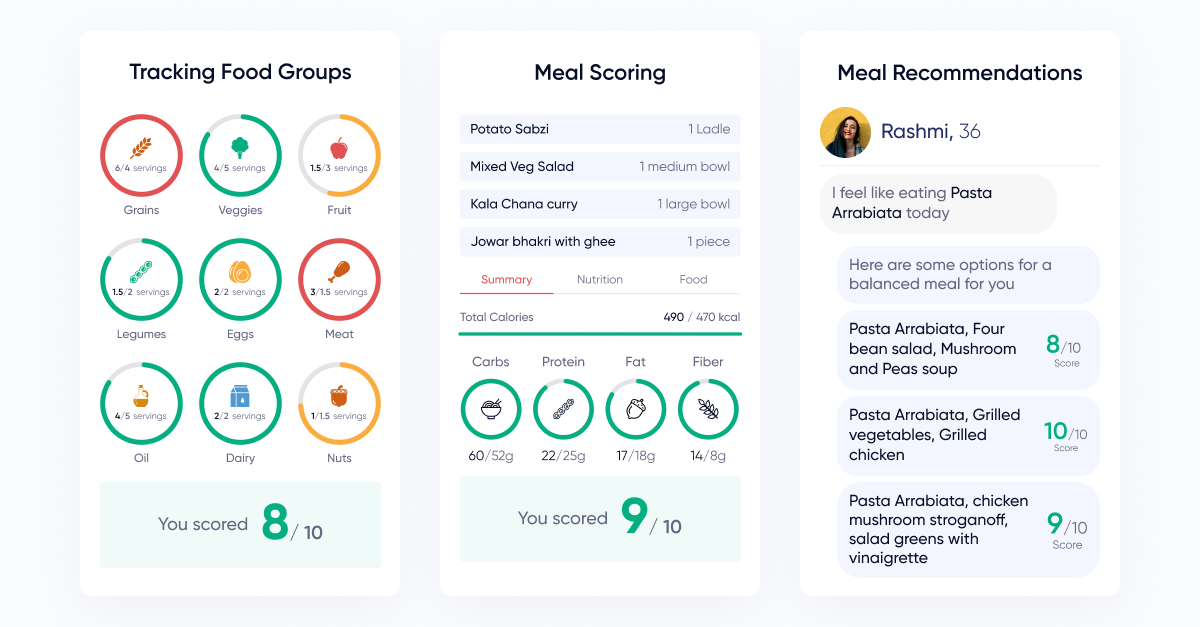
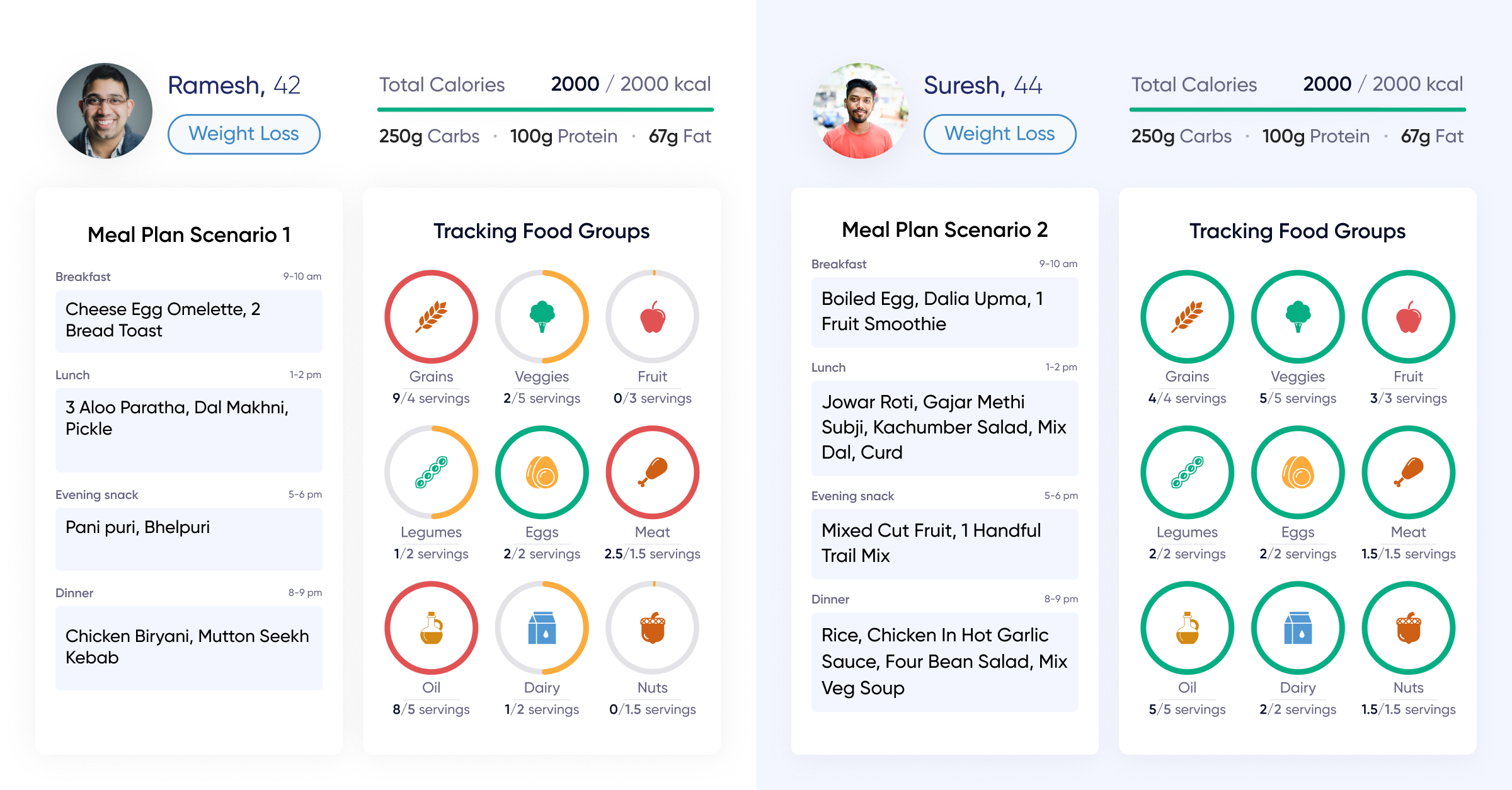
A calorie-tracking system built for Indians must:
This is where the next chapter of metabolic health is headed —
culturally aware, data-accurate, Indian-first nutrition intelligence.

Indians don’t fail calorie tracking.
Calorie tracking fails Indians — when the tools don’t understand us.
Fix the data.
Fix the cultural gap.
Fix the user experience.
And suddenly, weight loss becomes simple, consistent, and sustainable.