If you’ve spent even five minutes on Instagram or YouTube lately, you’ve probably heard this one:
“Cook rice. Cool it. Eat it the next day.
Lower calories. Lower GI. Better for diabetes. Weight-loss hack.”
Apparently, if you cook rice, cool it, maybe add some oil, and wait 12–24 hours…
it becomes holy rice.
Let’s slow down and get the science — and the real-world impact — straight.
Yes, something does happen when rice is cooked and cooled. But it’s far less dramatic than social media makes it sound.
Rice contains two types of starch:
When rice is cooked and then cooled, a small portion of digestible starch recrystallizes into resistant starch. That’s it. No magic. No detox. No metabolic reset.
Let’s break down what studies actually show.
In simple terms:
Helpful on paper. Barely noticeable in real life.
And here’s the irony:
Most studies that showed calorie reduction added oil (often coconut oil) before cooling — which adds more calories than the starch reduction removes.
So the “lower calorie rice” often isn’t lower calorie at all.
The small RS bump from cooled rice is unlikely to meaningfully affect:
In fact, diabetic trials found no difference in fullness or appetite between fresh and cooled rice meals.
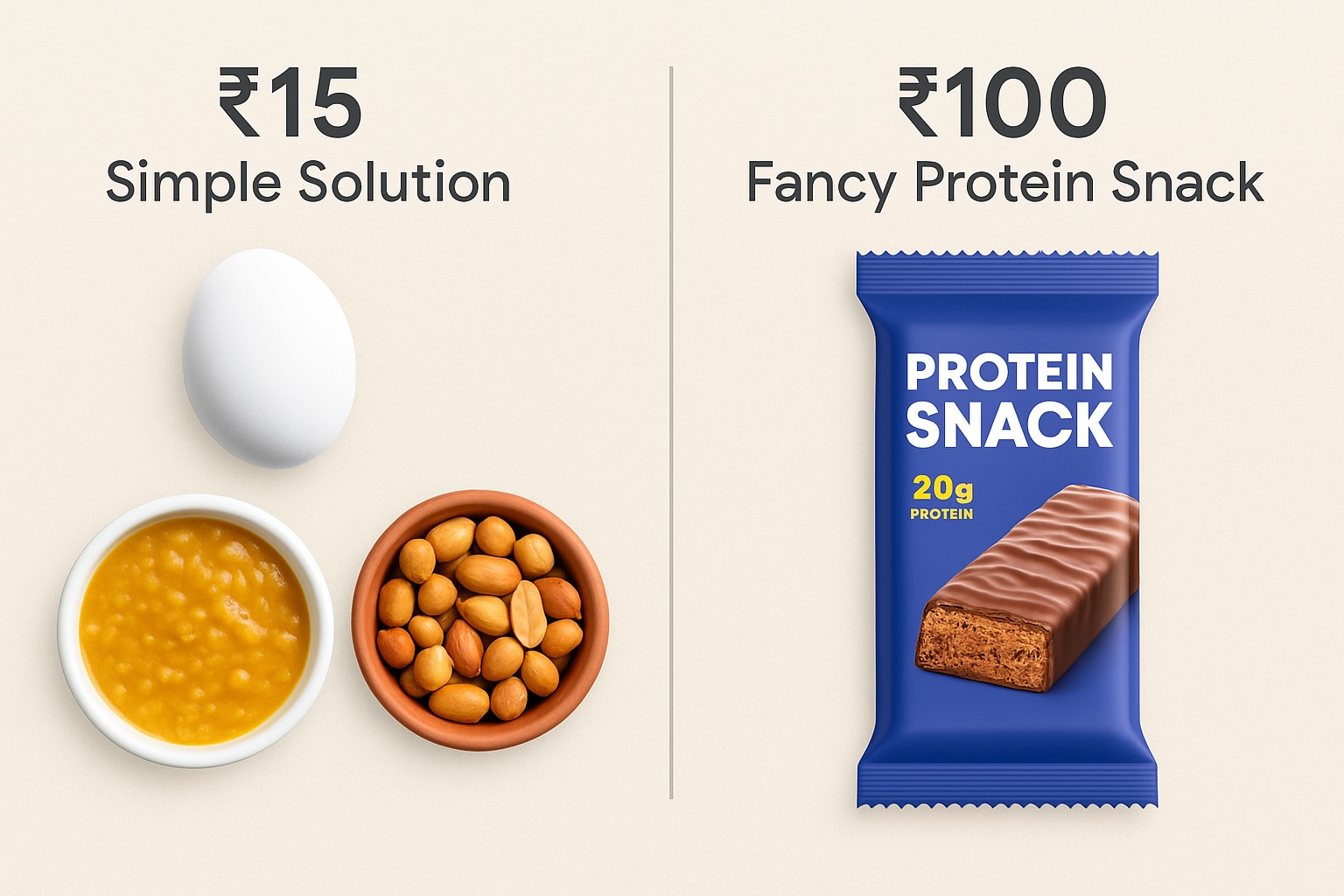
Because it sounds like a hack.
Influencers love:
The coconut-oil-and-cooled-rice idea gained traction after a single small lab study, which was later exaggerated into claims like:
“50% fewer calories!”
Even scientists involved in resistant starch research caution that:
Weight-loss benefits are not yet proven in humans
But nuance doesn’t go viral. Hacks do.
Here’s the practical question no influencer asks:
Who here plans their meals 12–24 hours in advance?
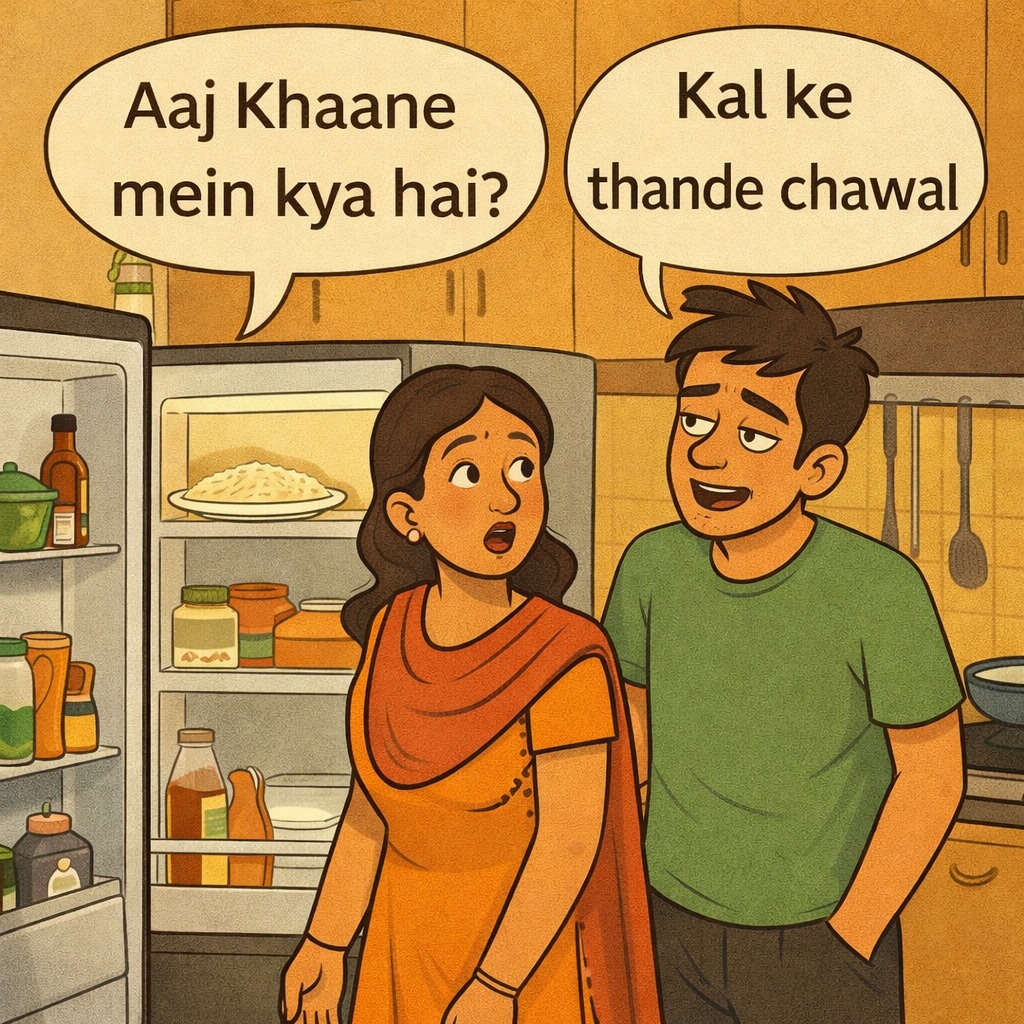
In most urban Indian households, the biggest daily stress is still:
“Aaj khaane mein kya banana hai?”
Now imagine what happens when cooled rice gets labeled “healthy”.
People don’t eat less rice.
They eat more rice.
So congratulations — you just turned:
into a
Net result?
Higher calories. Higher glucose exposure.
This is where cooled rice can actually backfire.
Once food is labeled healthy:
It’s the same reason people overeat:
The problem isn’t rice.
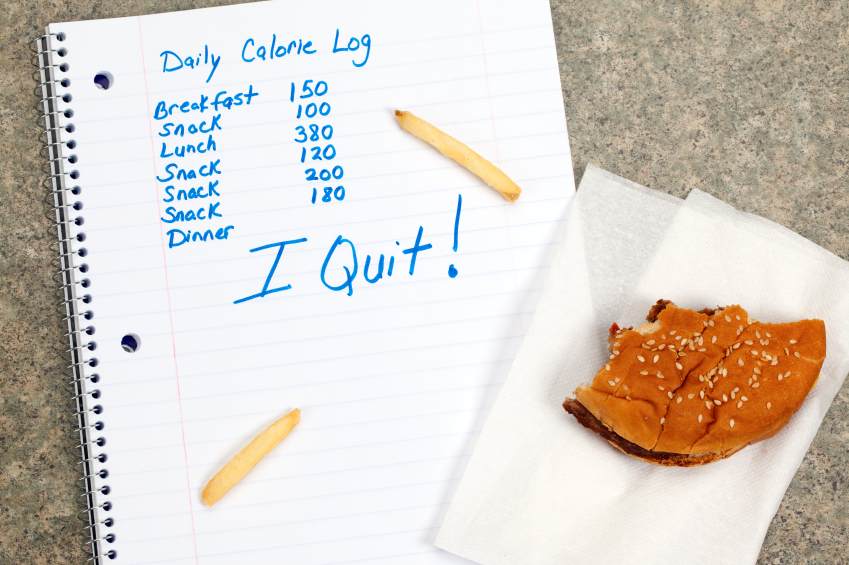
The problem is using food hacks as loopholes.
Here’s the blunt truth:
You can eat rice.
Just don’t eat it like it’s a metabolic cheat code.
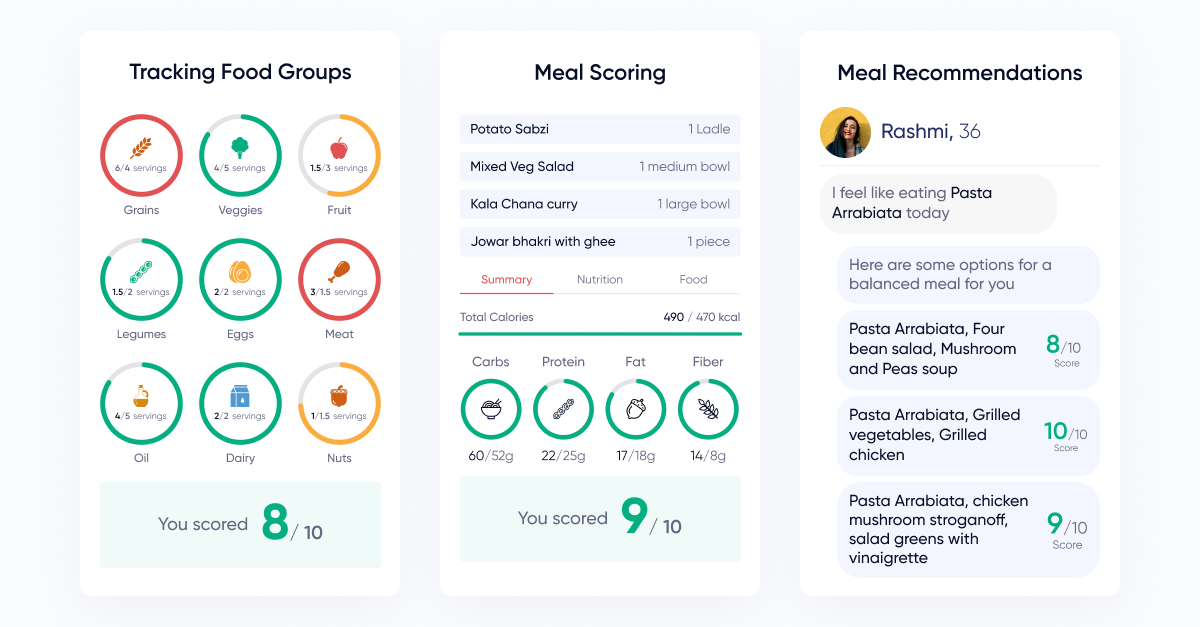
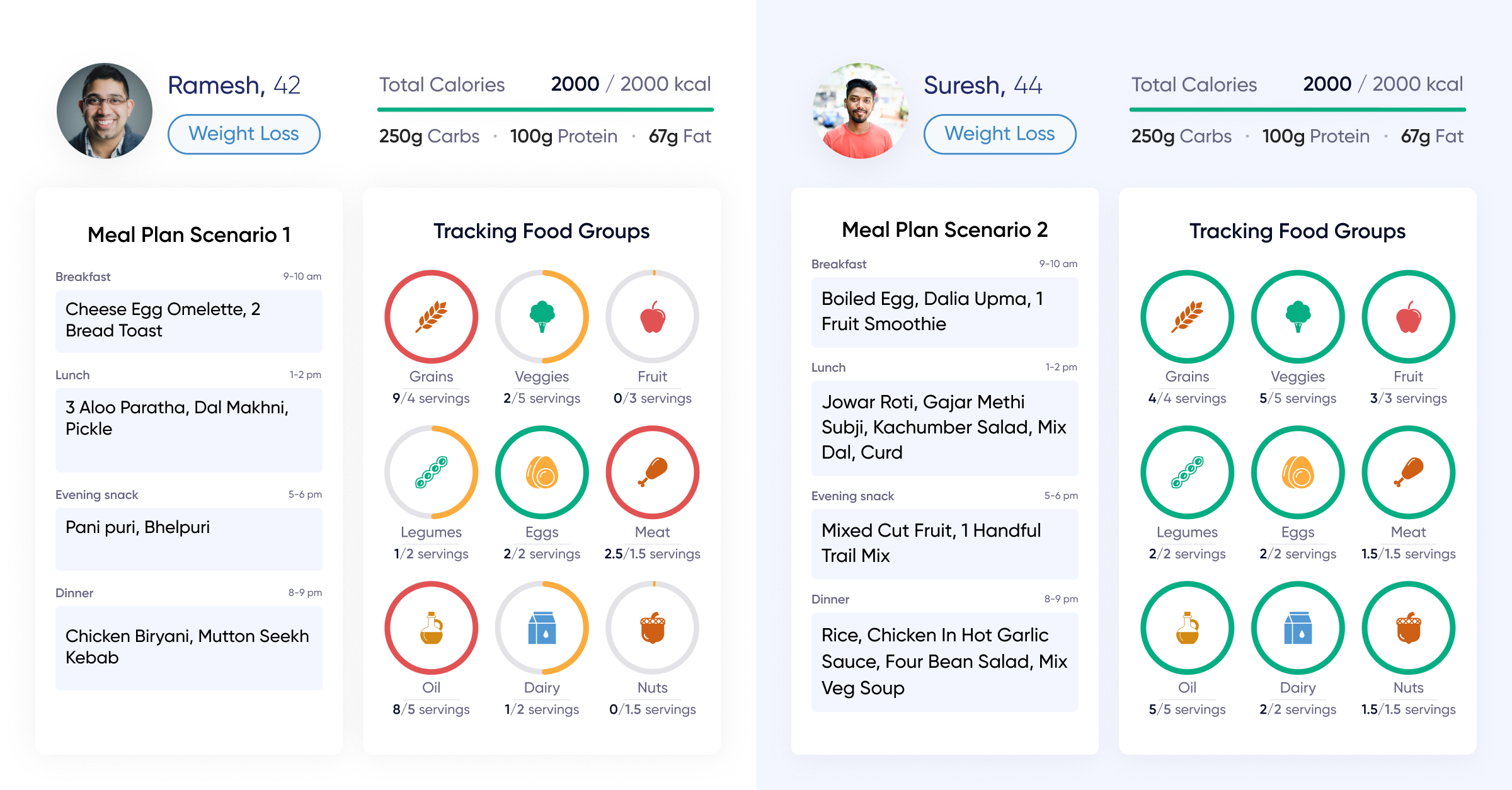
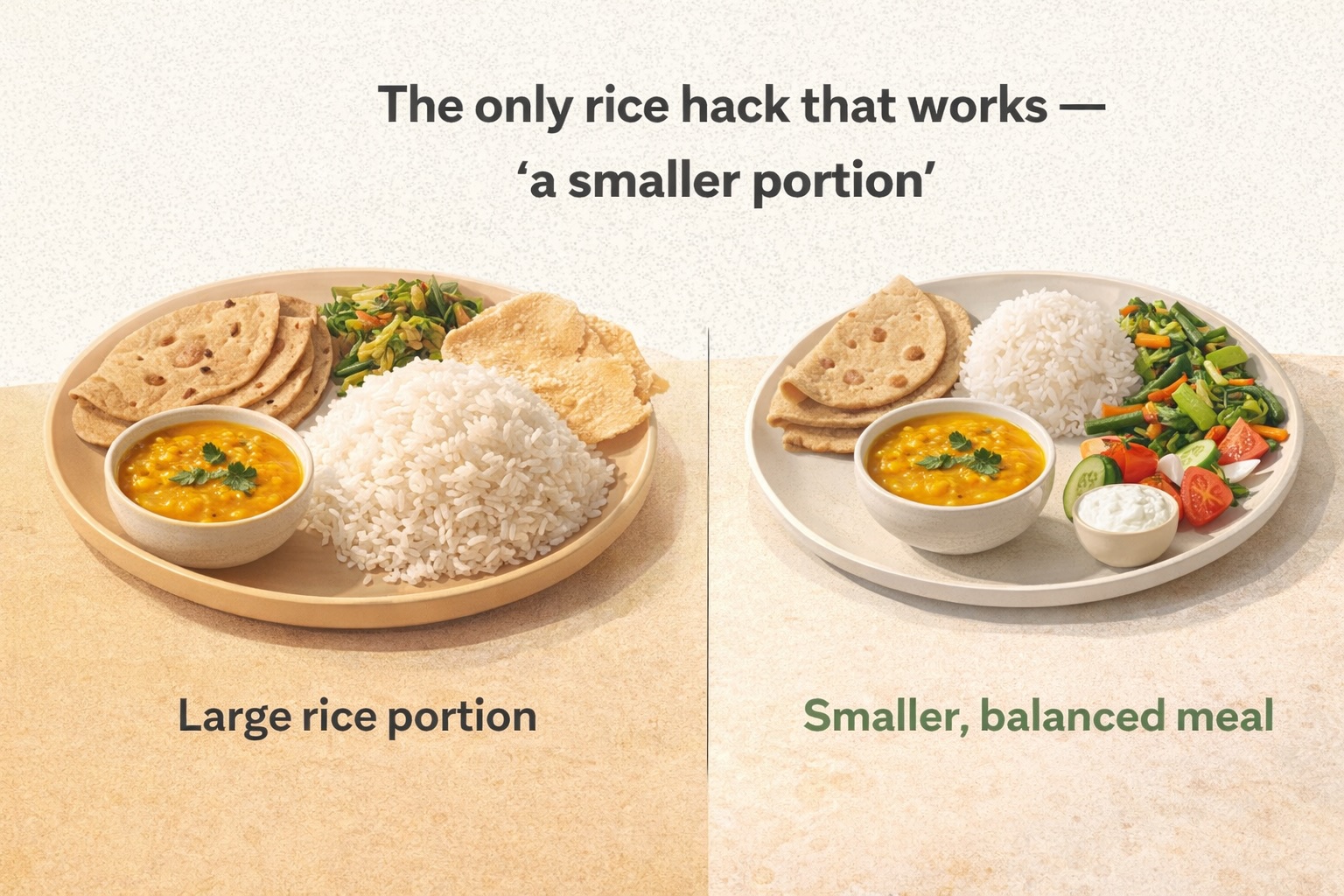
For diabetes and weight loss, what matters far more than rice temperature:
A smaller portion of fresh rice will outperform a giant bowl of “cooled healthy rice” every single time.
Cooling rice:
But:
Eat rice. Just don’t eat myths.
Balanced meals, sensible portions, and awareness will always beat viral food hacks.