In recent years India’s health-food scene has exploded with protein‐rich products. Instagram feeds and quick-commerce apps overflow with new protein bars, shakes and even “protein lassis,” as brands rush to meet a booming market. Quick‑commerce leader Instamart even launched a dedicated “Protein Store” to showcase these items, targeting a country where an estimated 73% of diets are protein-deficient. Dozens of new high-protein snack brands have launched in the last five years (industry watchers cite 100+ in India), each promising convenient nutrition. Yet amid this flood of packaged snacks, one traditional street food still packs a punch: roasted sing chana (roasted chickpeas) offers comparable protein at a tiny fraction of the cost.
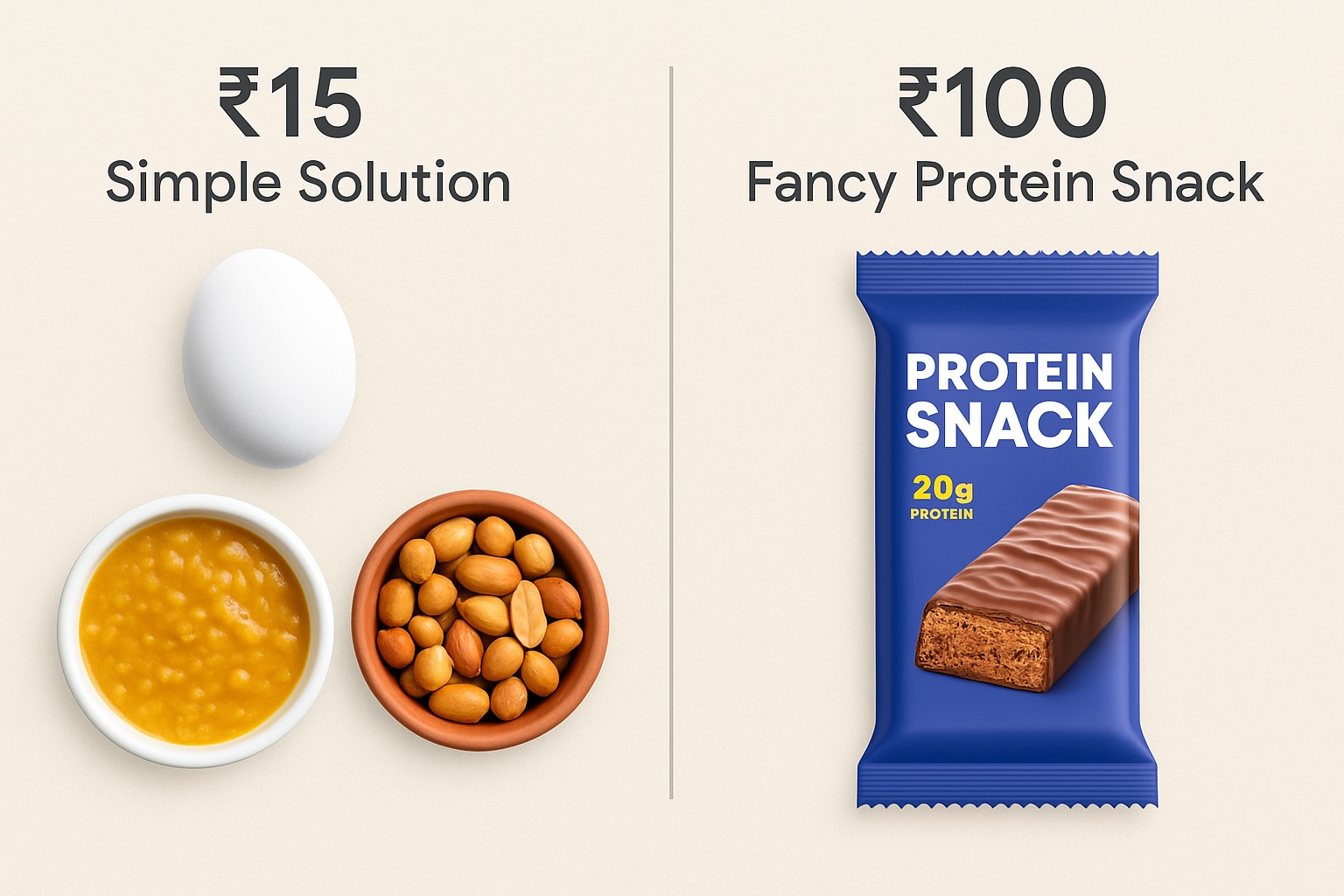
Last week in Mumbai I watched a friend unwrap a ₹60 branded protein bar on a traffic signal. He munched away happily, while right next to him a vendor held out a ₹10 cone of spicy roasted sing chana. Little did he know that 50g of that humble chickpea cone would have given him almost the same protein as his bar – roughly 10–11g – plus 5–9g of fiber and some healthy fats. In fact, a 50g RiteBite Max Protein bar (≈₹50–60) contains about 179 kcal with 10 g protein, while 50g of roasted chana provides roughly 200–240 kcal with ~10–11 g protein (and far more fiber). That ₹10 chana cone would have kept him just as full—if not fuller—at one‑sixth the price.
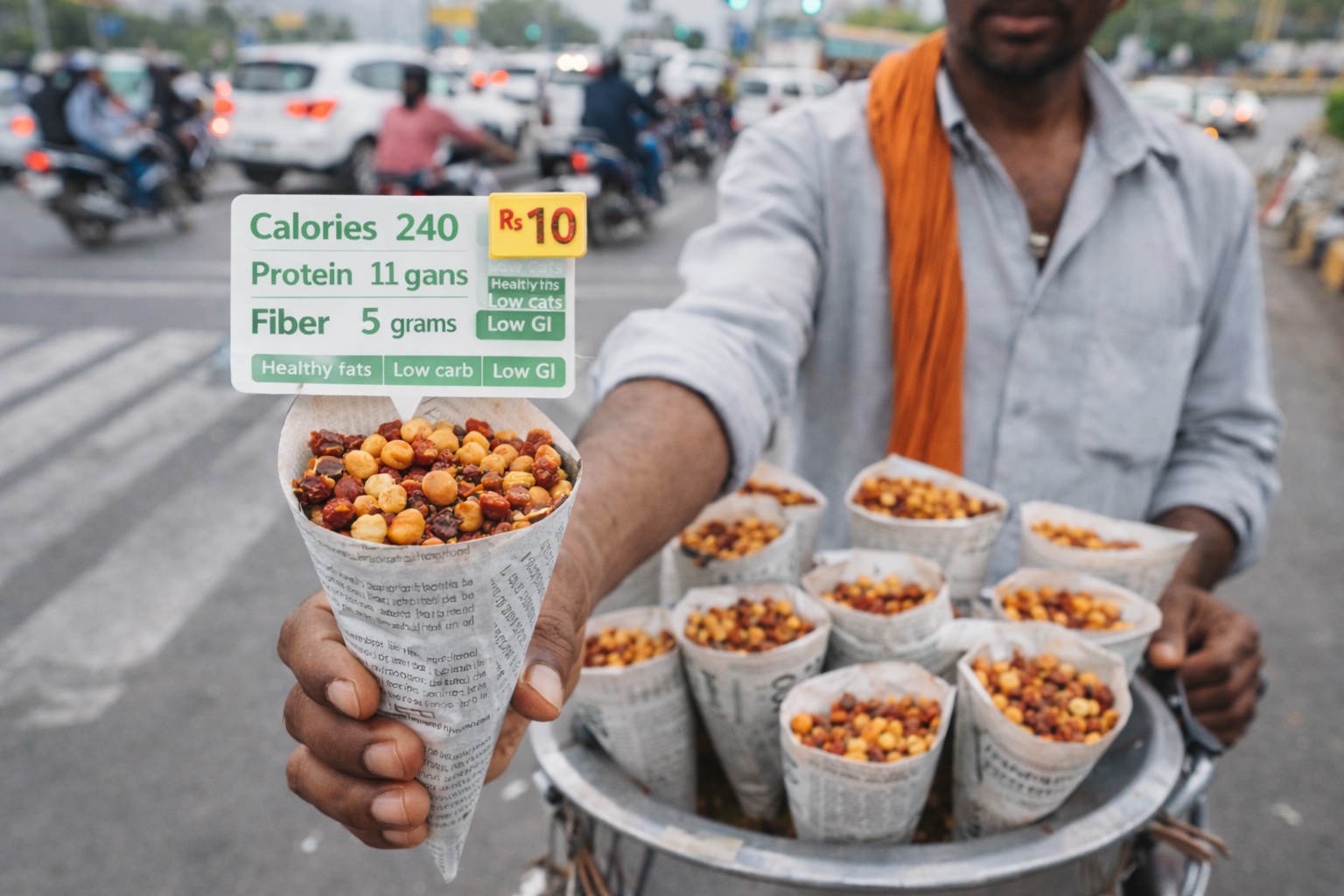
Protein bars vs. sing chana: Despite appearances, the numbers show sing chana holds its own against packaged bars. For example:
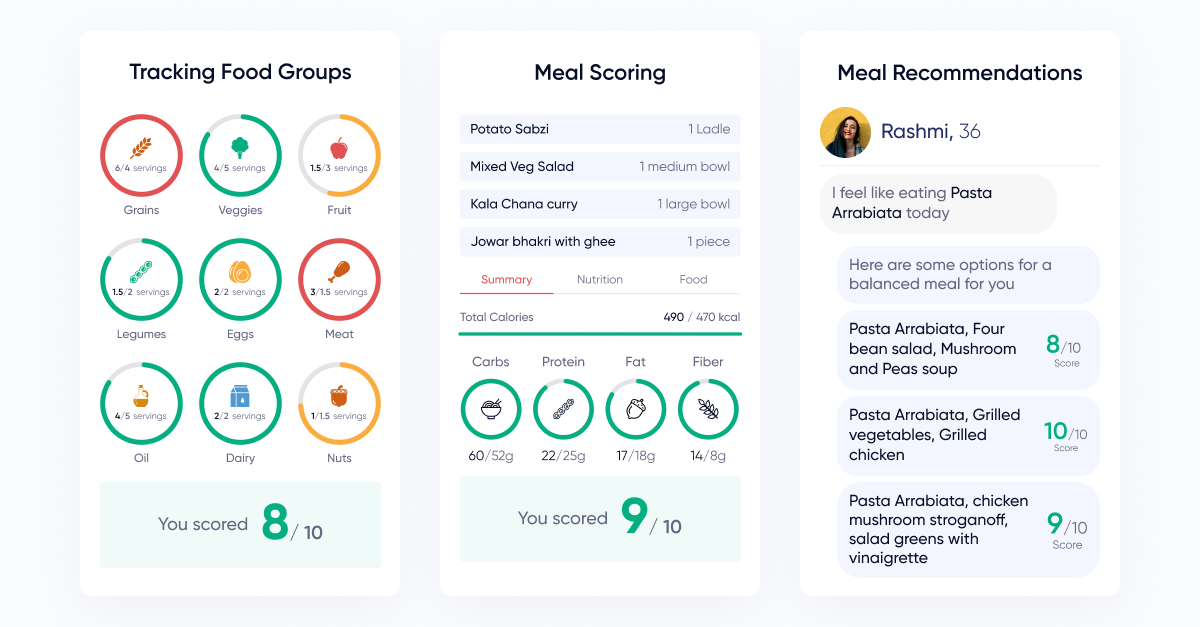
Most Indians are accustomed to thinking of “nutrition” in terms of food labels. But consider this: only a fraction of our diet comes from packaged, labeled foods. By some estimates only ~20% of calories come from packaged products; the rest is from homemade dishes, produce, or street snacks with no labels. Studies find that Indian shoppers overwhelmingly check expiry dates and price tags, but rarely read nutrition facts. In practice, this means the protein, fiber and healthy fat in a ₹10 sing chana cone often go unnoticed. As one review put it, label use tends to focus on price/expiry and not on nutrients. In other words, we spend more time scanning bars and cereals for vitamins, yet may be overlooking the nourishing content of traditional snacks.
India is rich in affordable, nutrient-dense snacks beyond sing chana. Next time hunger strikes, consider some desi options:
These desi nutrition gems are often much cheaper than imported supplements or bars. By exploring India’s street-food protein sources, health-conscious eaters can get high protein intake “the desi way,” while saving money.
In summary, the next time you grab a ₹60 protein bar, pause and think about that humble ₹10 sing chana cone. Both offer similar protein, but the sing chana is lighter on your wallet and comes with fiber and low-GI carbs. For Indian diets, traditional snacks can be affordable protein sources that deserve as much credit as modern packaged foods.