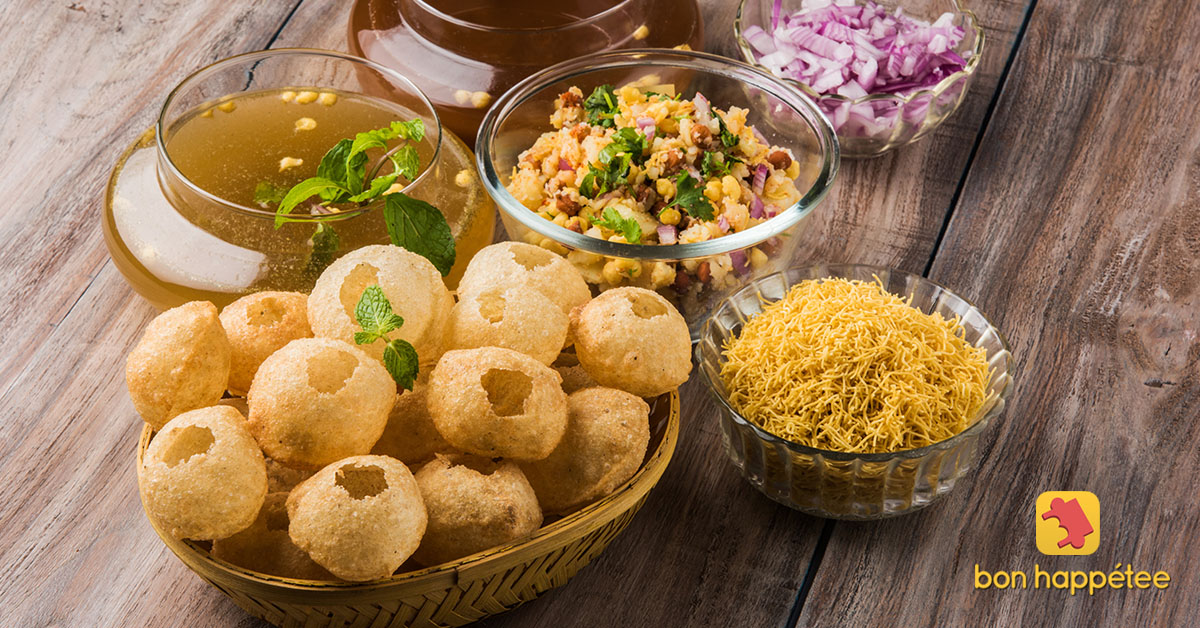
So apparently, pani puri is “unhealthy” — because it’s fried and it’s street food.
Let’s unpack this nutritional crime scene with some real nutrition data.
The “street food = unhealthy” argument usually boils down to hygiene.
But that’s a subjective call. Many street vendors buy, prep, and sell fresh food daily — often more frequently than some restaurants with hidden kitchens.
So once you’ve checked how your local pani puri wala handles hygiene, that’s not really a concern anymore.

Now, let’s talk data.
Each puri weighs about 5 grams and absorbs 1–1.5 grams of oil.
Even if you go all in with 8 puris, that’s only 10 grams of oil — less than what you use in your daily dal–sabzi.
Total calories? Around 250–300 kcal per plate.
Yes, pani puri isn’t high in protein.
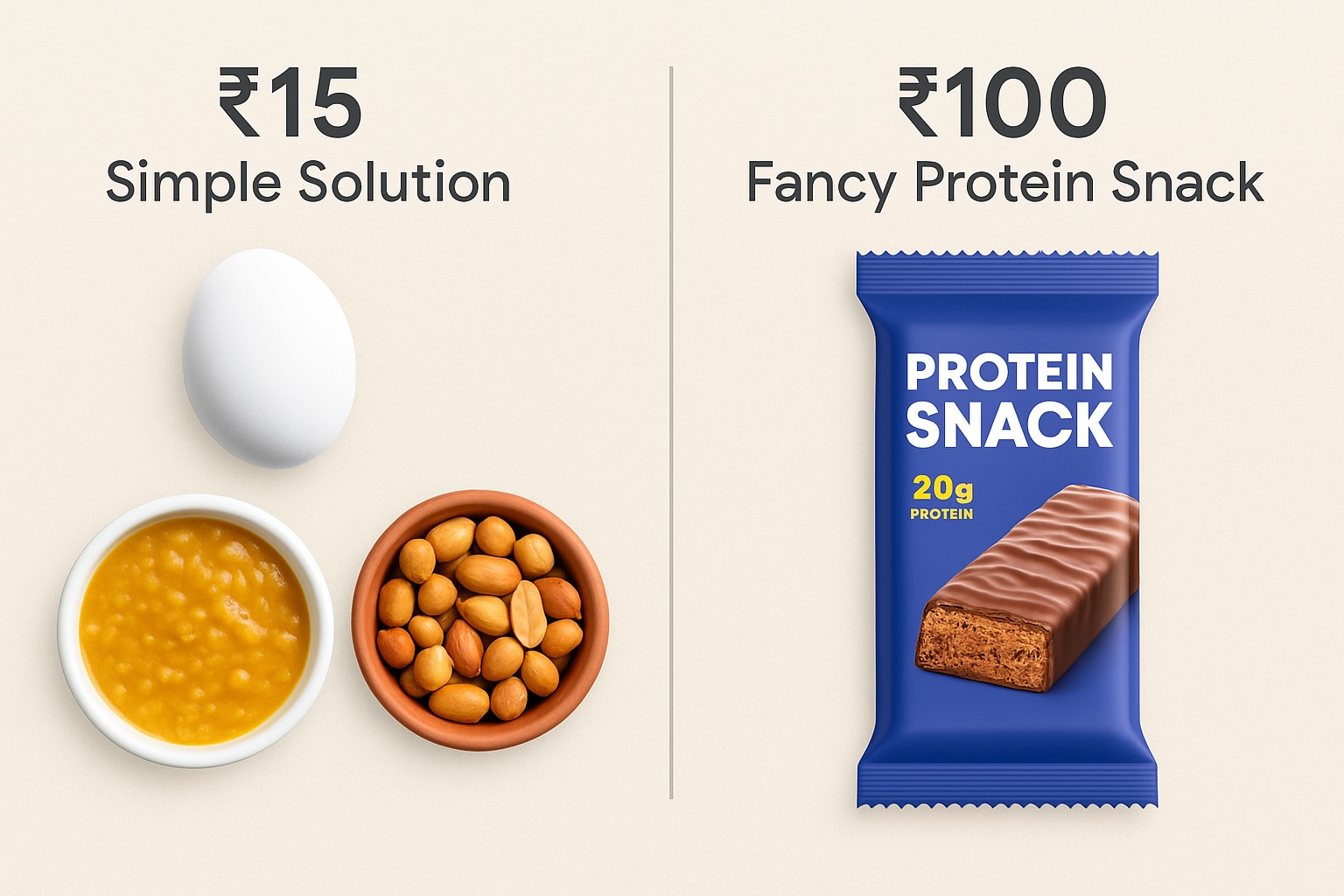
But that’s easy to fix — grab two boiled eggs or a piece of grilled paneer on the side.
Boom — balance restored.
That ₹500 avocado toast you order post-workout?
It quietly delivers double the calories, triple the fat, and still lacks meaningful protein.
Yet somehow, pani puri gets the bad rap.
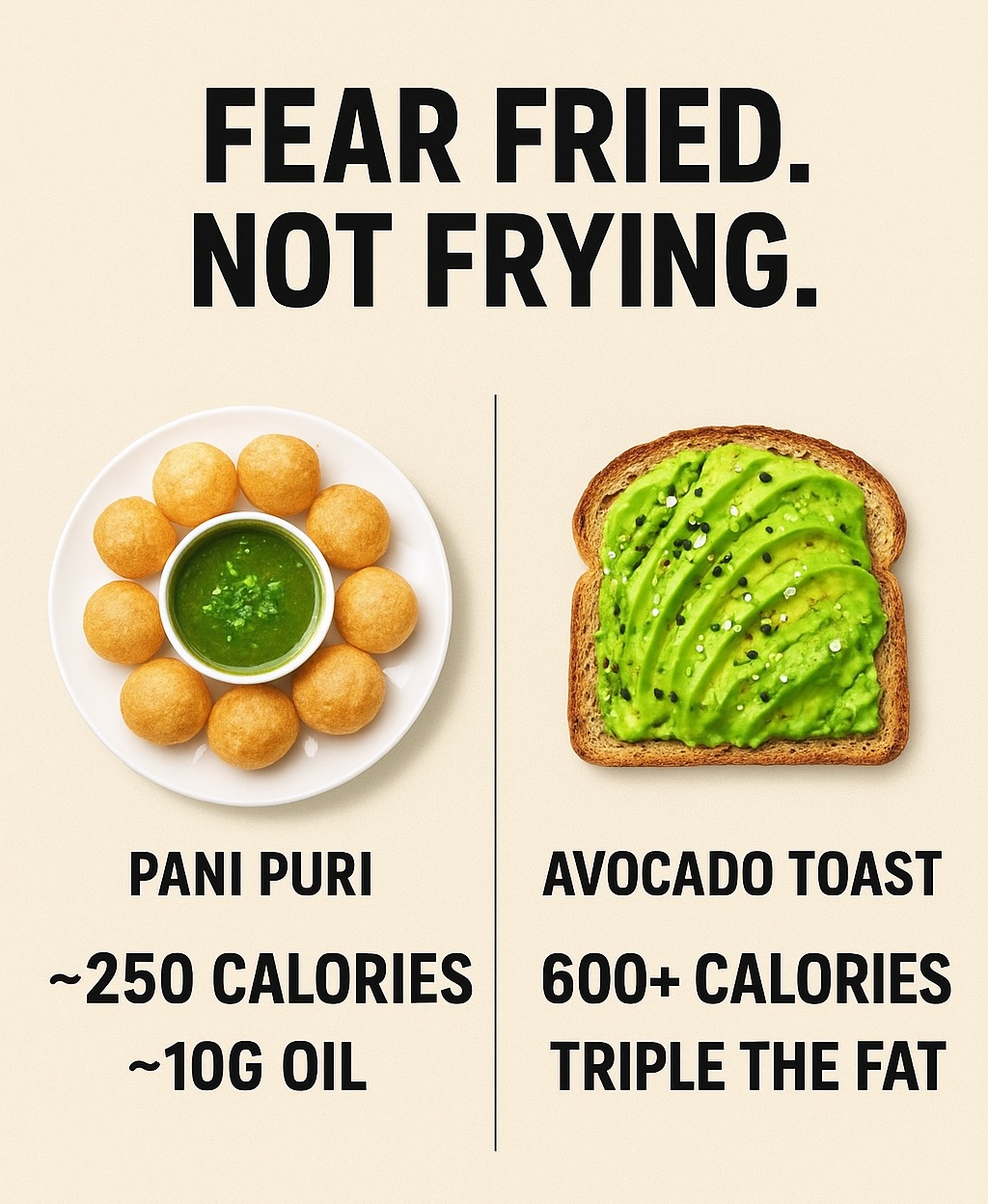
The issue isn’t fried food. It’s fear without facts.
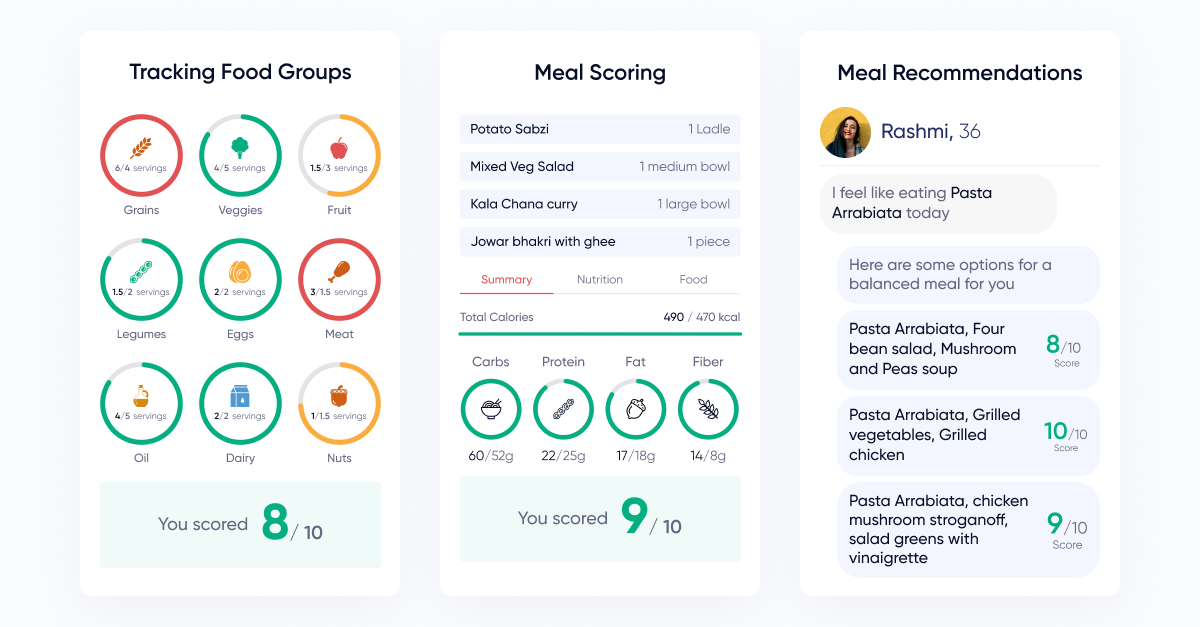
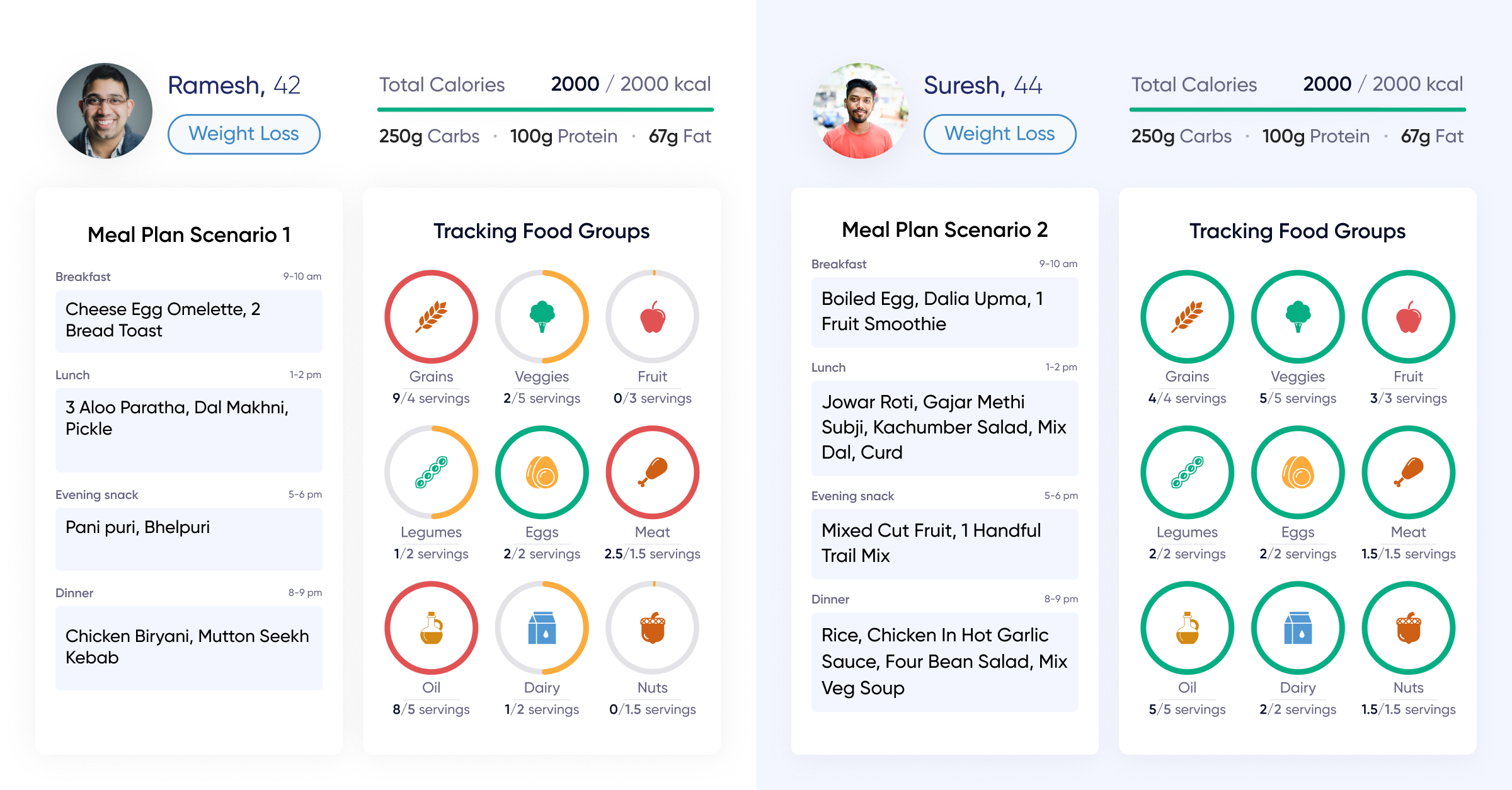
Use nutrition data before you judge your favorite street snacks.
Run the numbers. Know what you’re eating.
Because data doesn’t lie — food myths do.
Eat smart. Eat happy. And yes, enjoy your pani puri guilt-free.
Try GetCaddy.ai - The Indian weight loss app