GLP-1 medications aren’t melting fat — they’re helping people do one thing consistently: eat less.
There’s a lot of hype around Ozempic, Mounjaro, Wegovy, and the rest of the GLP-1 class. Most people think these drugs “burn fat” or magically fix metabolism.
They don’t.
What they really do — and what makes them so powerful — is much simpler and far more boring:
👉 They help you maintain a calorie deficit every single day.
And that is what drives weight loss.
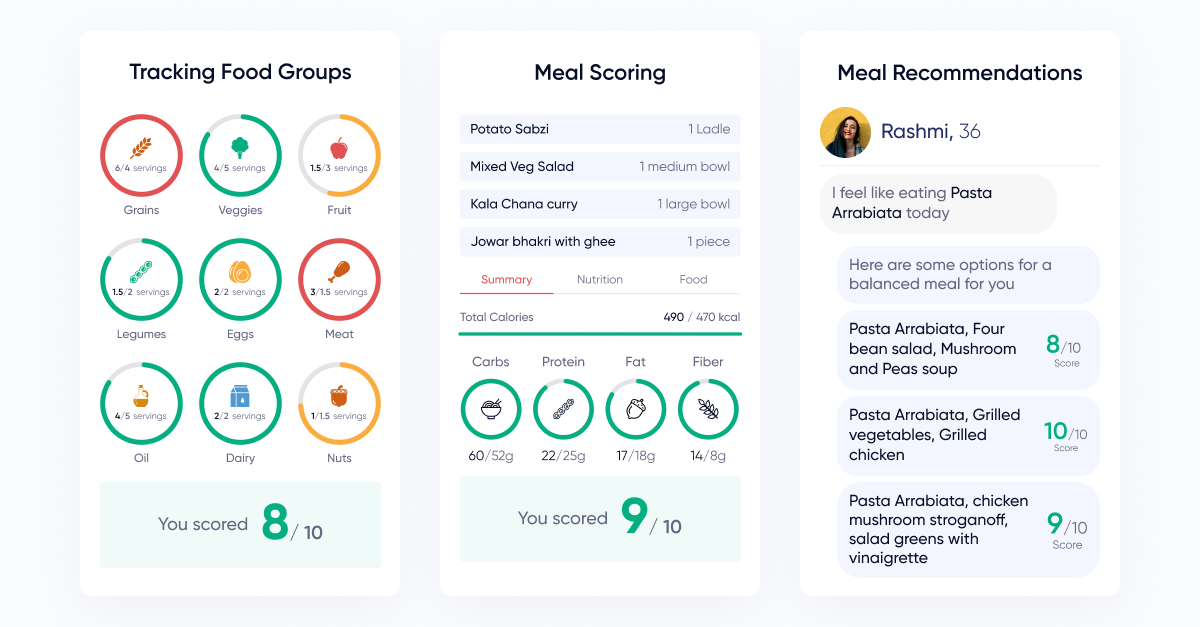
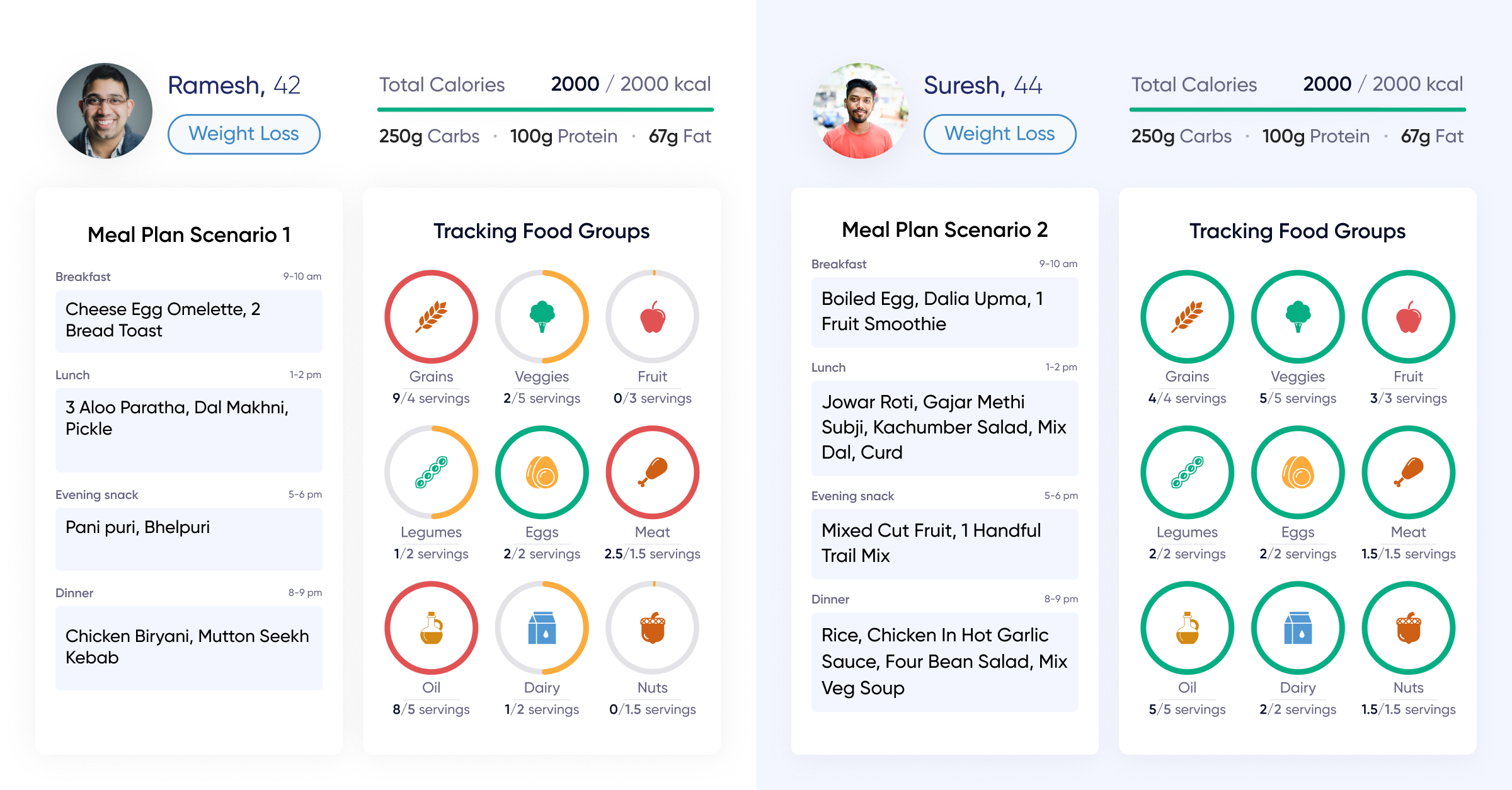
Apps like Caddy help you with accurate calorie deficit
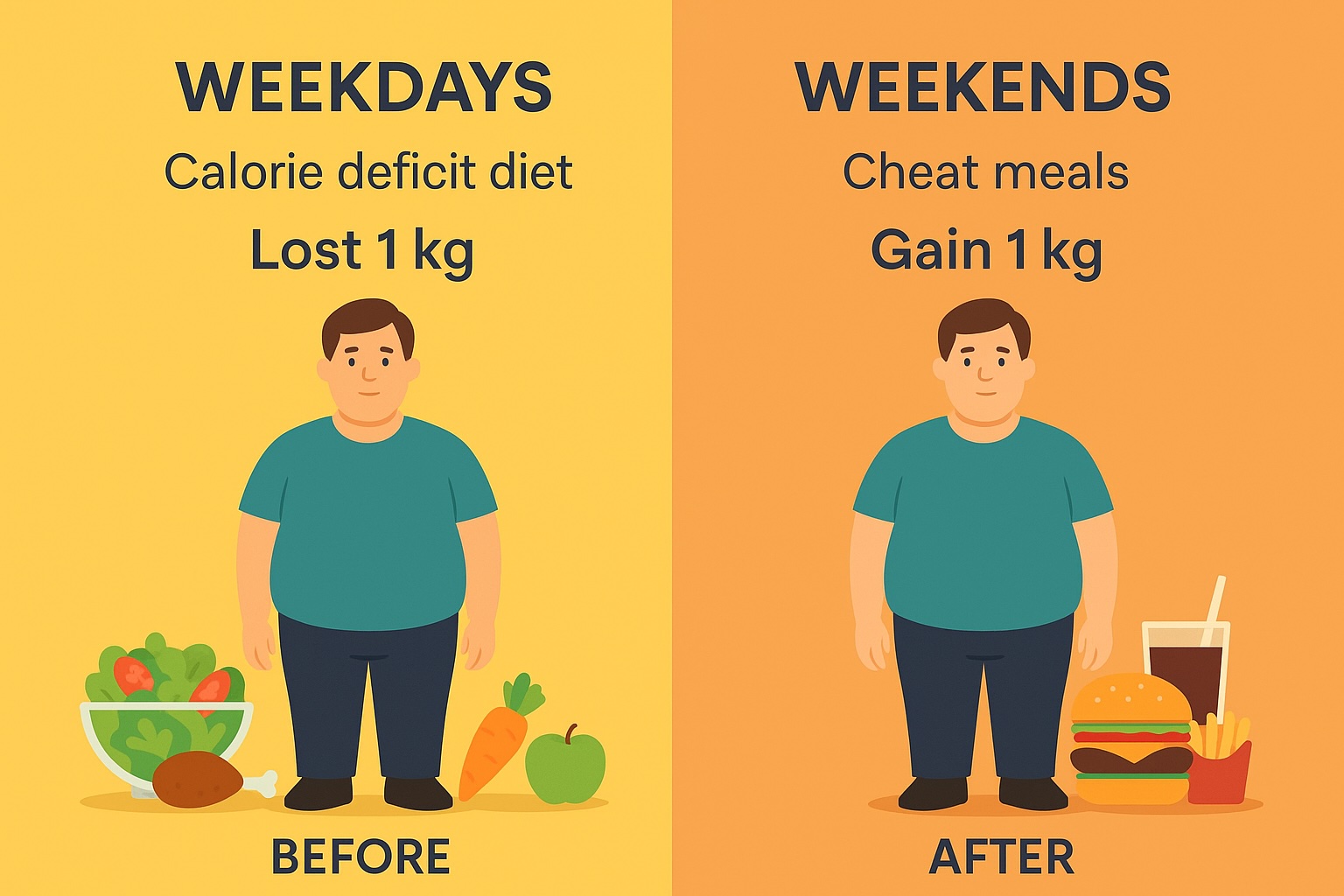
Let’s be honest — most of us can push ourselves into a 10–15% calorie deficit with enough motivation.
A fresh diet plan.
A Monday resolution.
A wedding or vacation coming up.
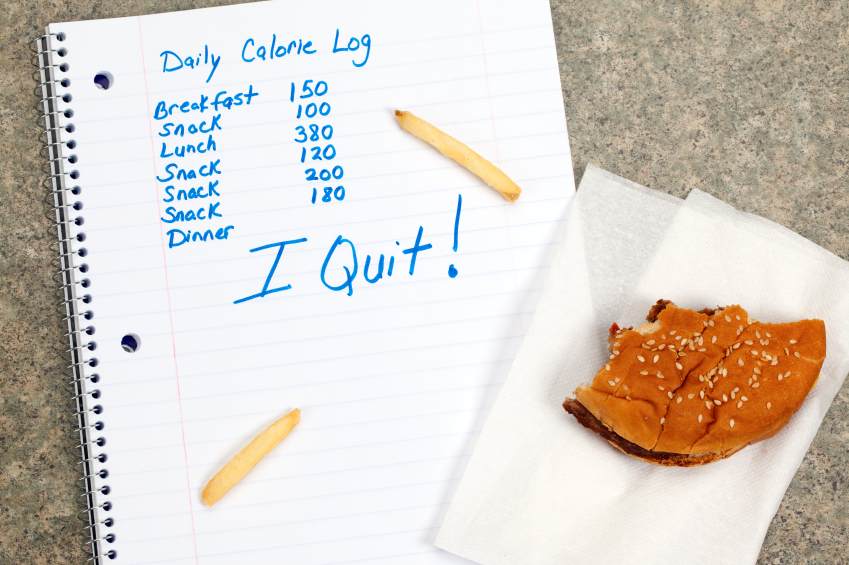
And it works… briefly.
You manage a week.
Sometimes two.
Maybe a heroic month.
And yes, you lose 1–2 kg.
But here’s the pattern we see across millions of users:
Net result?
👉 The deficit falls to zero.
👉 All weekday progress is erased.
This is the real reason sustained weight loss is so hard — not lack of knowledge, not lack of protein, not macros… just lack of consistency.

Here’s where GLP-1 medications change everything.
They reliably produce a 30%+ daily calorie deficit, not by melting fat but by doing this one thing:
And they do it:
That’s it.
That’s the “miracle.”
Not metabolic magic.
Not hormone wizardry.
Just consistent appetite suppression → consistent calorie deficit → consistent weight loss.
This is simple math finally becoming sustainable.
A 30–40% calorie deficit isn’t harmless.
For Indians especially — with lower baseline protein intake and higher metabolic risk — aggressive deficits can quickly lead to:
So yes, GLP-1s help people lose weight.
But losing weight well is a whole different challenge.
The real work is making sure users stay:
And right now, that is where the ecosystem is broken — especially for Indians whose food, portions, digestion patterns, and metabolic phenotype differ dramatically from the West.
People aren’t failing because of the drug.
They’re failing because they don’t have structured support around:
The calorie deficit drives weight loss.
Everything else determines whether the weight stays off — and whether your health improves or worsens in the process.
GLP1 meds (ozempic, mounjaro etc) are a god send. Side effects are minimal and can be managed easily. Just need to take care of some simple basics to go with it. Try getcaddy.ai