Weight loss advice often swings between extremes.
On one end: “Eat clean or fail.”
On the other: “Cheat days don’t matter.”
Both are wrong.
The truth sits in uncomfortable middle ground — math.
Let’s be honest.
Most people don’t fail at weight loss because they love junk food.
They fail because restriction isn’t sustainable.
No one wants to eat boiled chicken, broccoli, and salad forever.
Social meals, cravings, festivals, weekends — food is part of life.
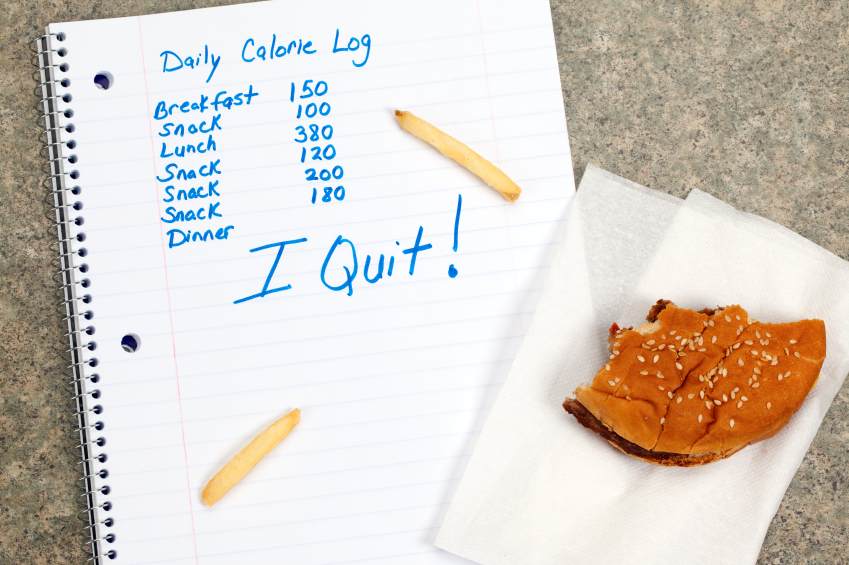
Cheat meals aren’t a flaw in dieting.
They’re a psychological necessity.
But here’s the problem 👇
Most people underestimate how expensive a “cheat” actually is.

A typical calorie deficit for weight loss is about 300–500 calories per day.
That means:
Just like that, the entire week disappears.
Not because you cheated.
But because you didn’t know how much you were cheating.
That’s the brutal math of weight loss.
Weight loss doesn’t require replacing pizza with quinoa bowls.
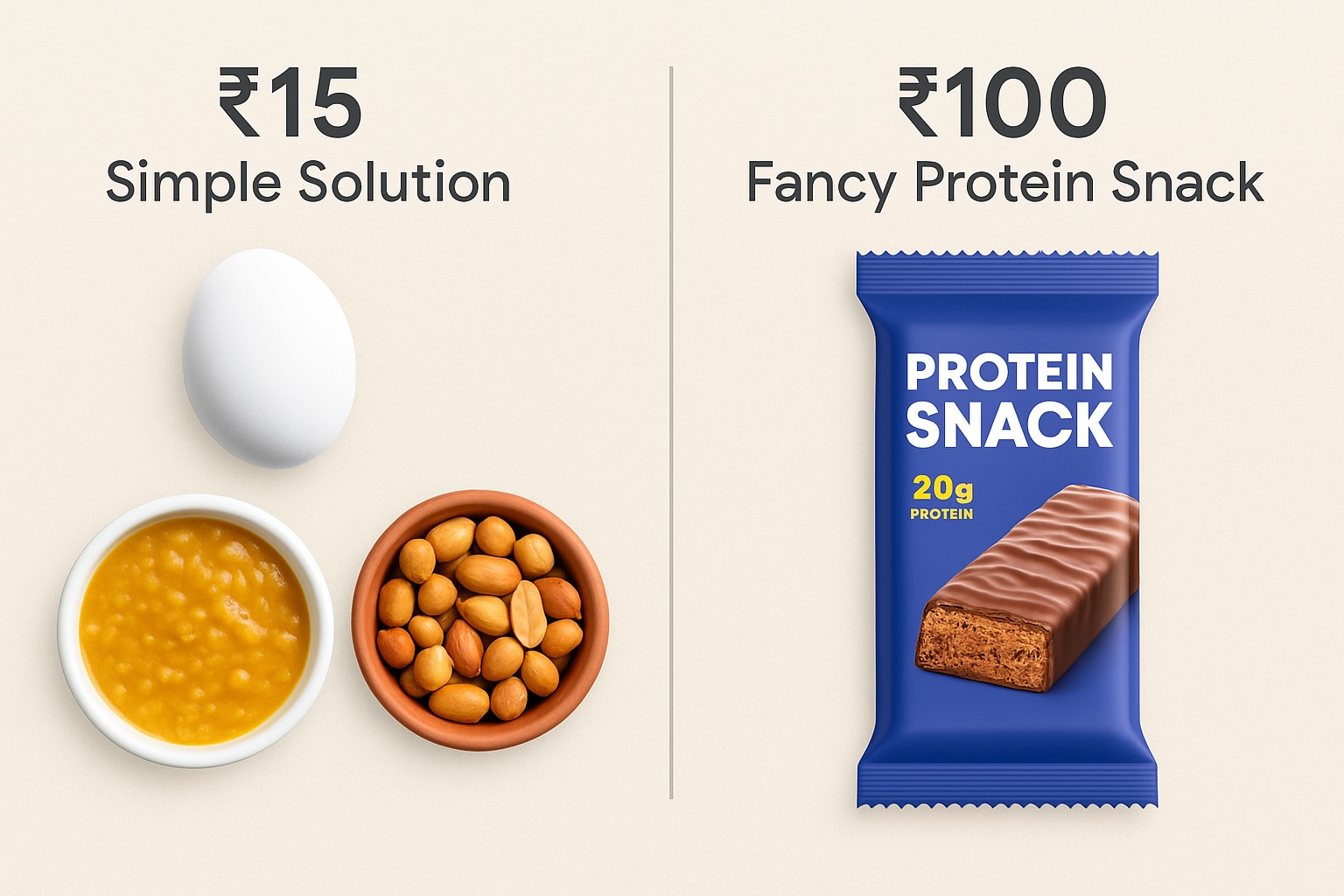
It requires portion correction and smart swaps:
These changes don’t feel dramatic.
But over weeks, they decide outcomes.
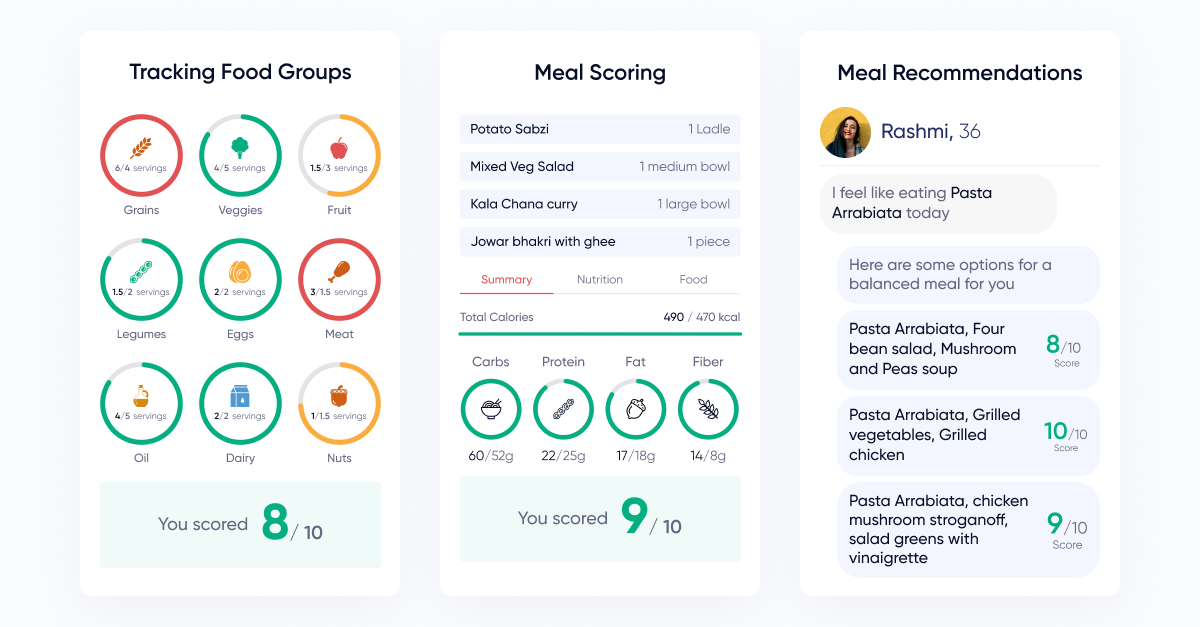
Tracking food isn’t about obsession.
It’s about context.
When you track:
Craving pizza?
Log it. Plan around it. Enjoy it.
Because one slice won’t ruin progress.
But untracked eating will.
Successful weight loss isn’t about discipline.
It’s about calibration.
People who keep weight off long-term learn:
Tracking teaches that faster than motivation ever will.
Cheat meals don’t fail people.
Unmeasured cheat meals do.
Weight loss works best when:
Because the goal isn’t perfection.
It’s progress you can live with.