The entire weight-loss industry is a trillion-dollar rebranding of one simple truth:
👉 Eat less than you burn.
That’s it. That’s the rule.
A calorie deficit equals weight loss.
So, if the math is this simple — and there are hundreds of calorie-tracking apps with millions of downloads — why are we still in an obesity crisis?
Not because the science is wrong — but because the user experience and data quality are.
Tracking every bite, every day, sounds simple — but real life isn’t.
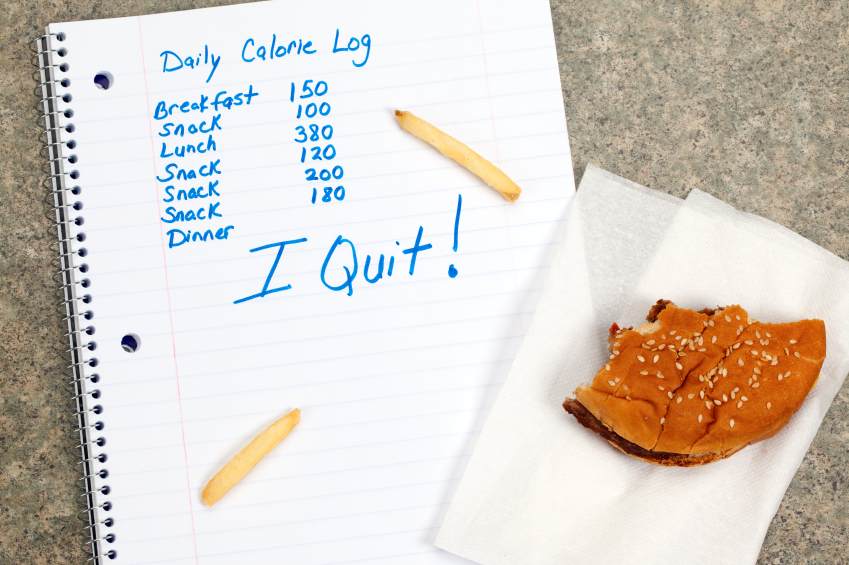
Even five minutes a day can feel like a chore. Logging food manually, searching through endless lists of foreign dishes, and guessing portion sizes kills motivation fast.
Consistency is the number one reason people fail at tracking calories — not willpower, not understanding.
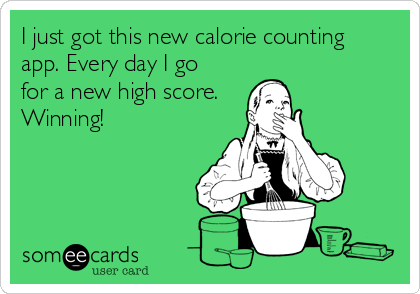
Most calorie databases are built around Western diets — burgers, salads, and smoothies, not dal, roti, or dosa.
So even when Indian users try to log meals, the data is wrong.
Take something as basic as dal.
Most global apps assume a bowl equals 200 grams, but in reality, we eat about 125 grams — that’s almost a 2× error in a daily staple.
Over time, these small inaccuracies add up — users lose trust, tracking drops off, and results stall.
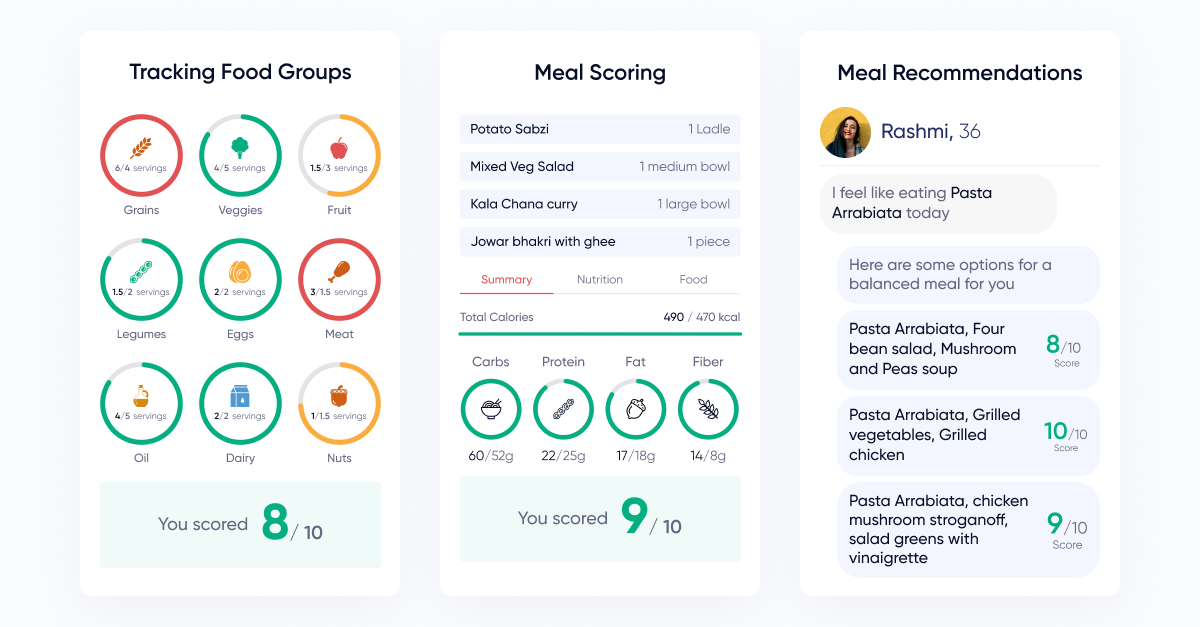
At Bon Happetee, we’ve spent years building tools that actually reflect how Indians eat — not how Western databases think we do.
Our platform is powered by India’s largest food and nutrition database, built from the ground up with:
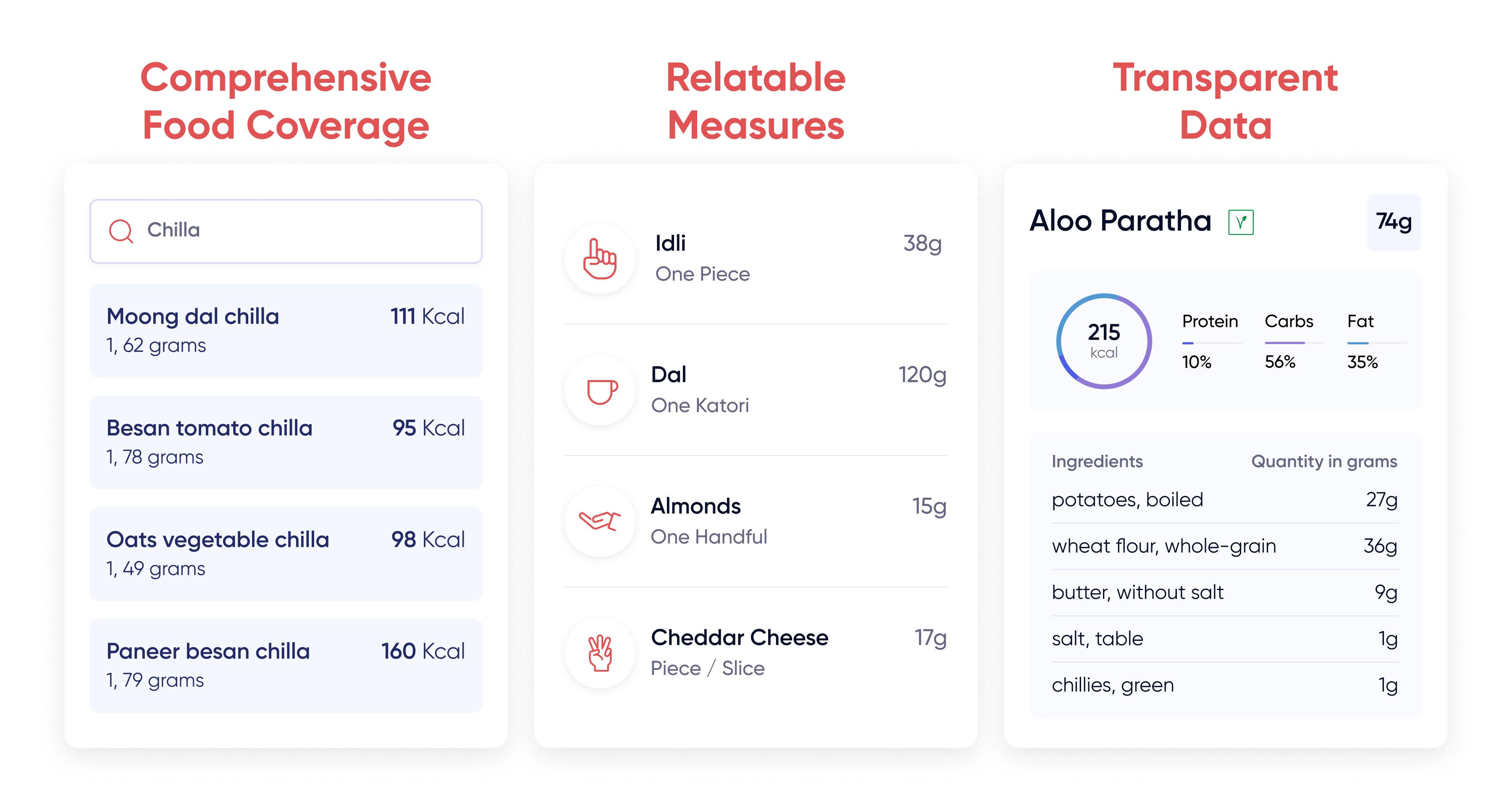
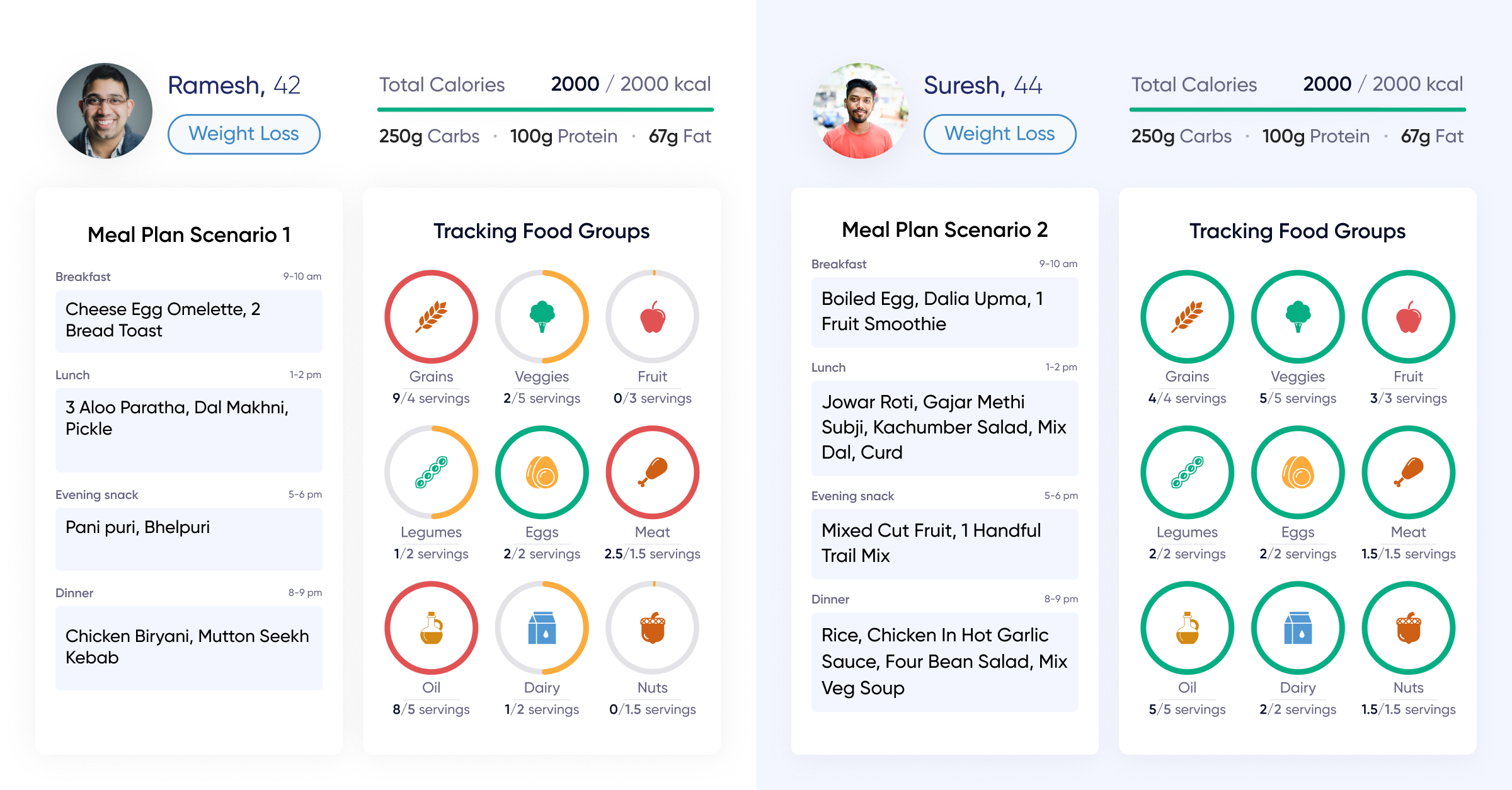
When you get data and design right, consistency follows.
And consistency is what drives real, sustainable weight loss — whether you’re calorie tracking, on a GLP-1 medication like Ozempic, Wegovy, or Mounjaro, or simply trying to eat better. Try getcaddy.ai
As the world embraces GLP-1 therapies, artifical intelligence and digital health companions, accurate, localized nutrition data will become the backbone of sustainable results.
We believe in science-based, culturally aware solutions — built for biryanis and dosas, not burgers and salads.