In recent years, our social media feeds have been flooded with warnings about packaged foods, processed snacks, and refined carbs. From influencers to health brands, everyone’s telling us what not to eat.
But here’s an uncomfortable truth — most Indians don’t live on packaged foods.
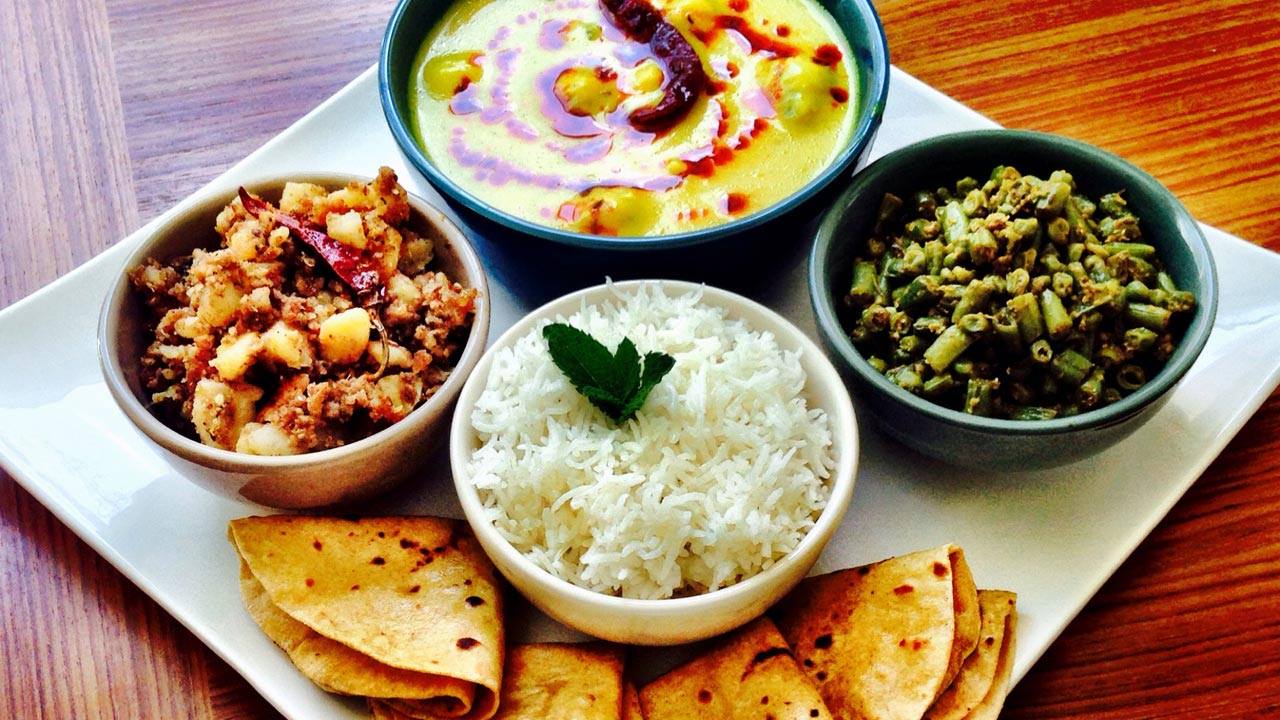
We eat home-cooked meals nearly 80% of the time. Our dal, sabzi, roti, rice, and paratha make up the bulk of our daily calories. The remaining 20% — the occasional pizza, packet of chips, or dessert — might not be as big a villain as we think.
The real issue might be hiding in plain sight — our everyday meals and our tendency to overeat them.
Let’s be honest — we all do it.
That one extra roti because “it’s just dough.”
A generous dollop of butter on the paratha for “taste.”
Or the extra tadka in the dal because “that’s where the flavor is.”
Each of these adds roughly 100 calories or more to your daily intake.
And when you do the math —
It’s not the chips once a week.
It’s the extra bites every day that quietly add up.
At its core, weight loss and gain still come down to one basic rule:
Eat less than you burn.
This is called a calorie deficit, and it’s the foundation of every diet that’s ever worked — from keto to intermittent fasting.
The numbers are simple:
But if you overshoot your intake by even a few hundred calories daily, the scale will slowly creep up — even if you’re “eating healthy home food.”
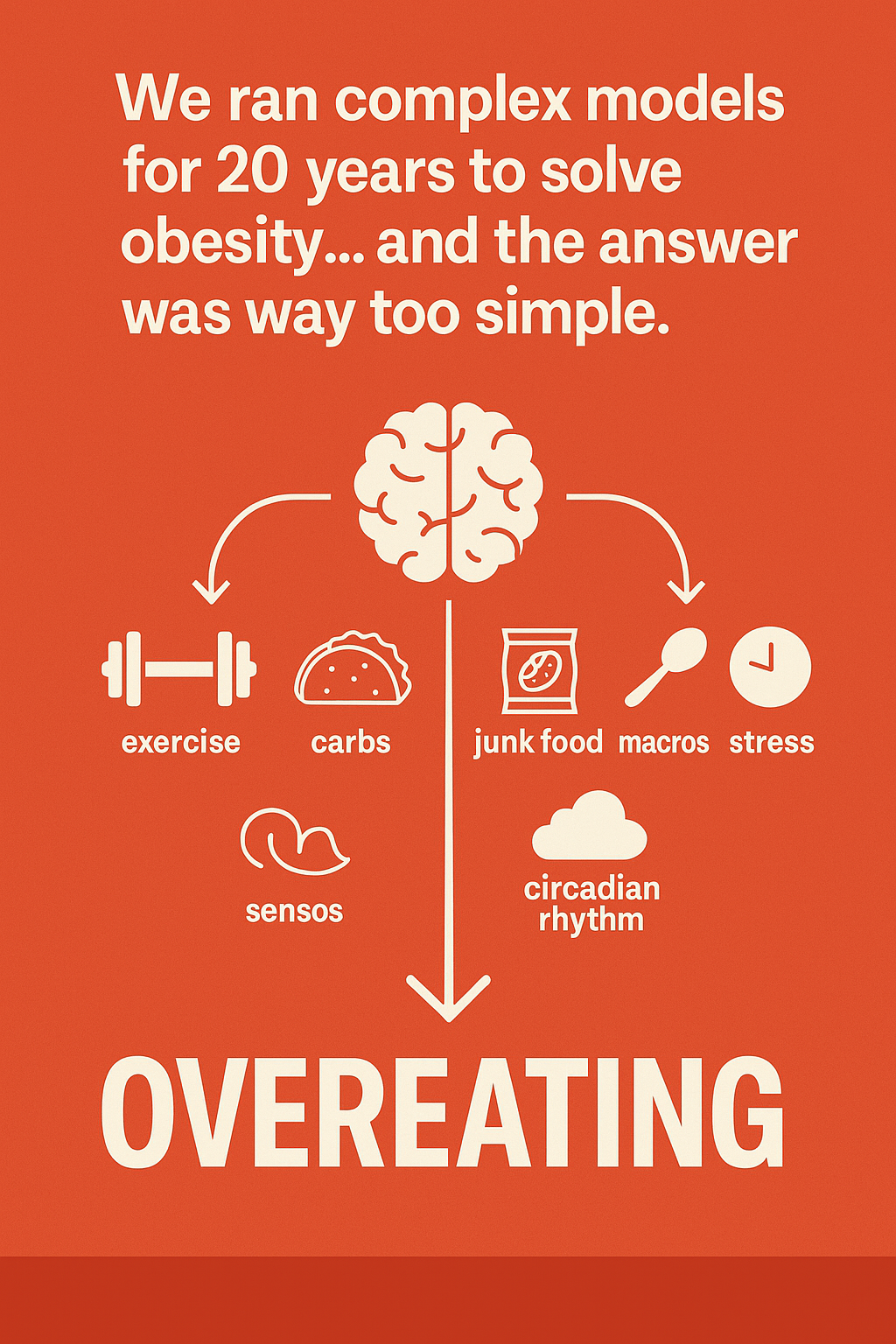
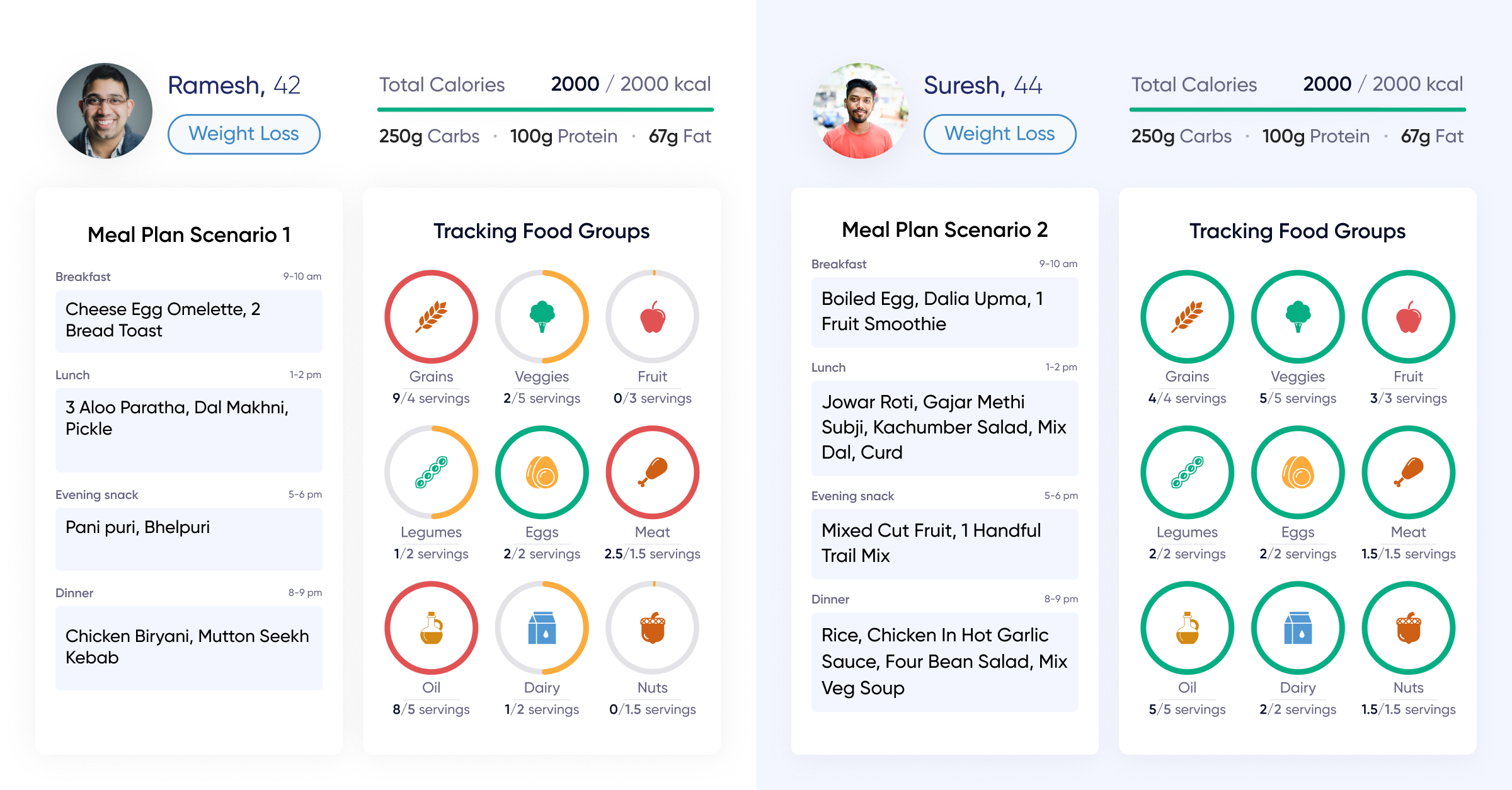
Home-cooked doesn’t automatically mean balanced.
Common pitfalls include:
So even if we’re not eating junk, we might still be overeating calories and under-consuming nutrients.
Instead of villainizing packaged foods or demonizing carbs, let’s focus on the simplest, most effective health habit — eating mindfully.
That means:
We’ve spent years studying how Indians actually eat — not in theory, but in reality.
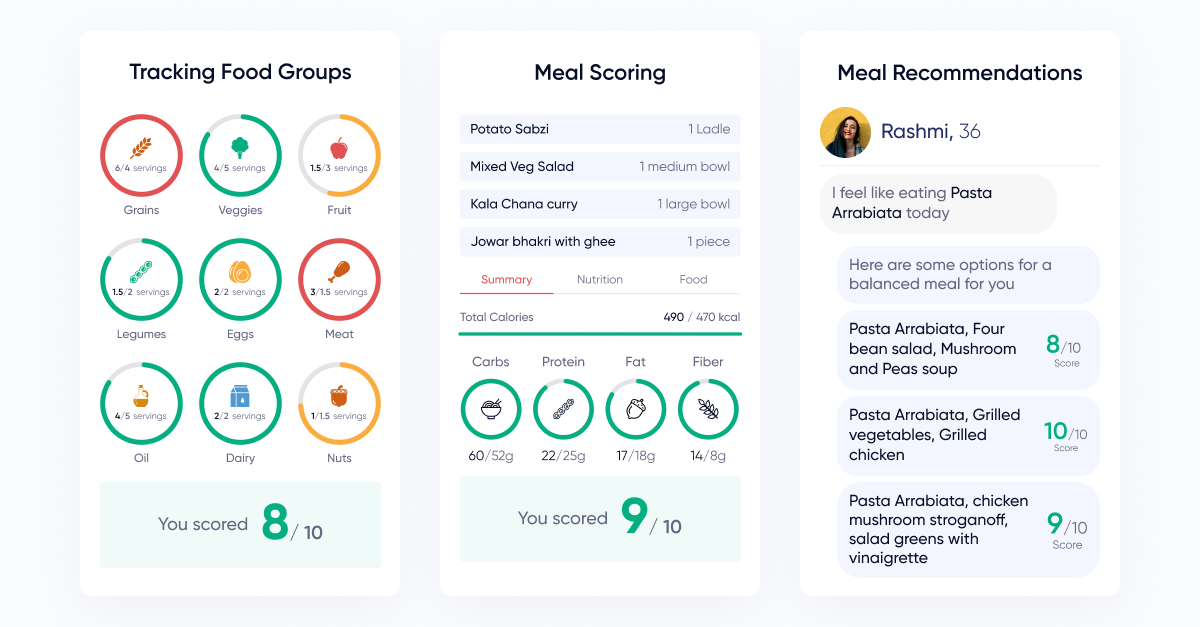
Our platform, Caddy, is built on India’s largest food and nutrition database — from dal and sabzi to biryani and idli — all measured accurately in katoris, spoons, and real Indian portions.
We’ve seen firsthand how a little data awareness helps people build lasting habits:
When users can see what they’re eating in a culturally relevant way, consistency and change follow naturally.
You don’t need to fear food.
You just need to understand it better.
So next time you think about “eating clean,” don’t just look at the packet — look at your plate.
Because sometimes, the solution to a trillion-dollar weight problem is as simple as eating a little less.