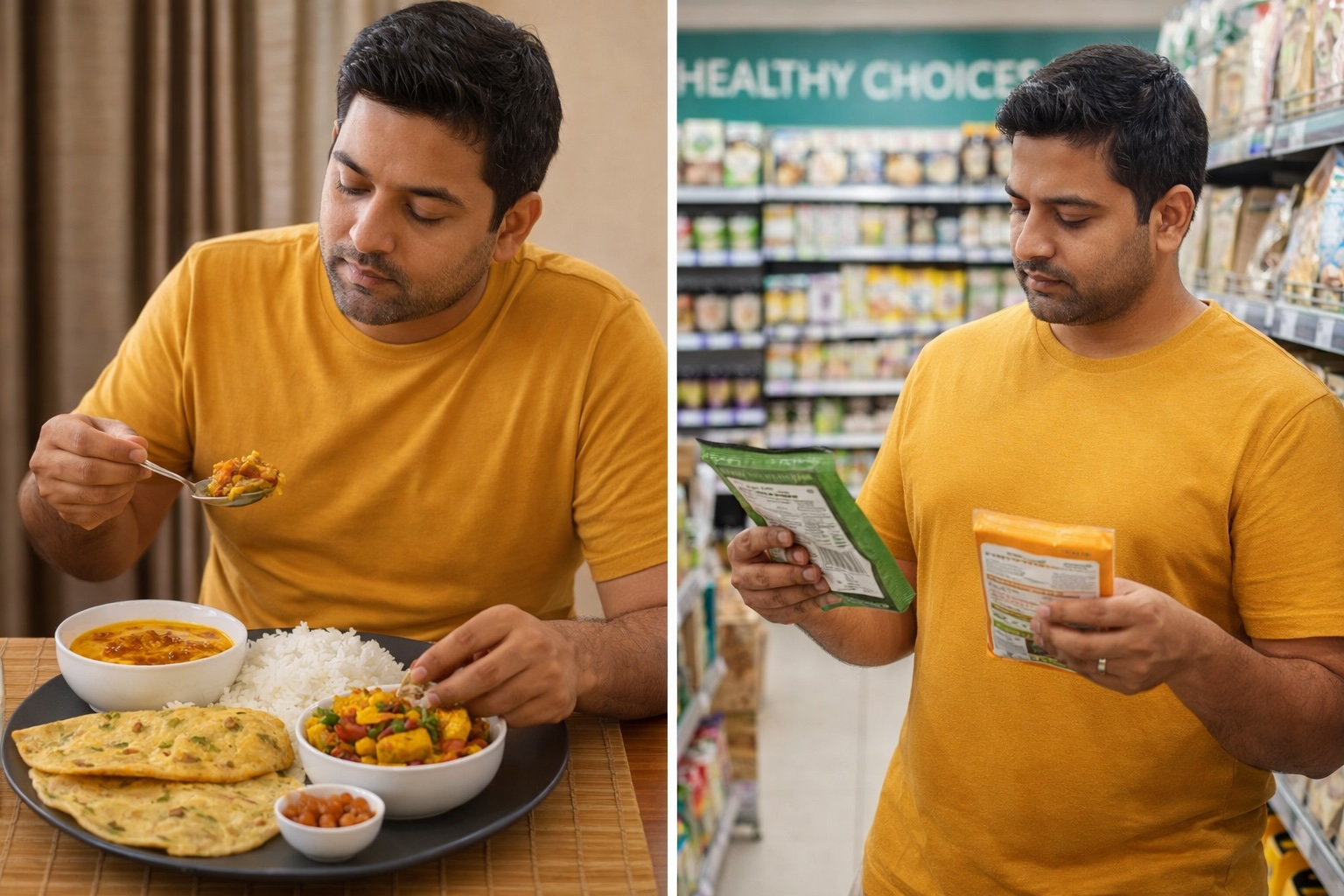
Walk into any Indian household and you’ll see something fascinating.
We’ll turn a packet of chips around three times to read the nutrition label.
We’ll debate palm oil vs sunflower oil.
We’ll Google whether dates are better than sugar.
And then…
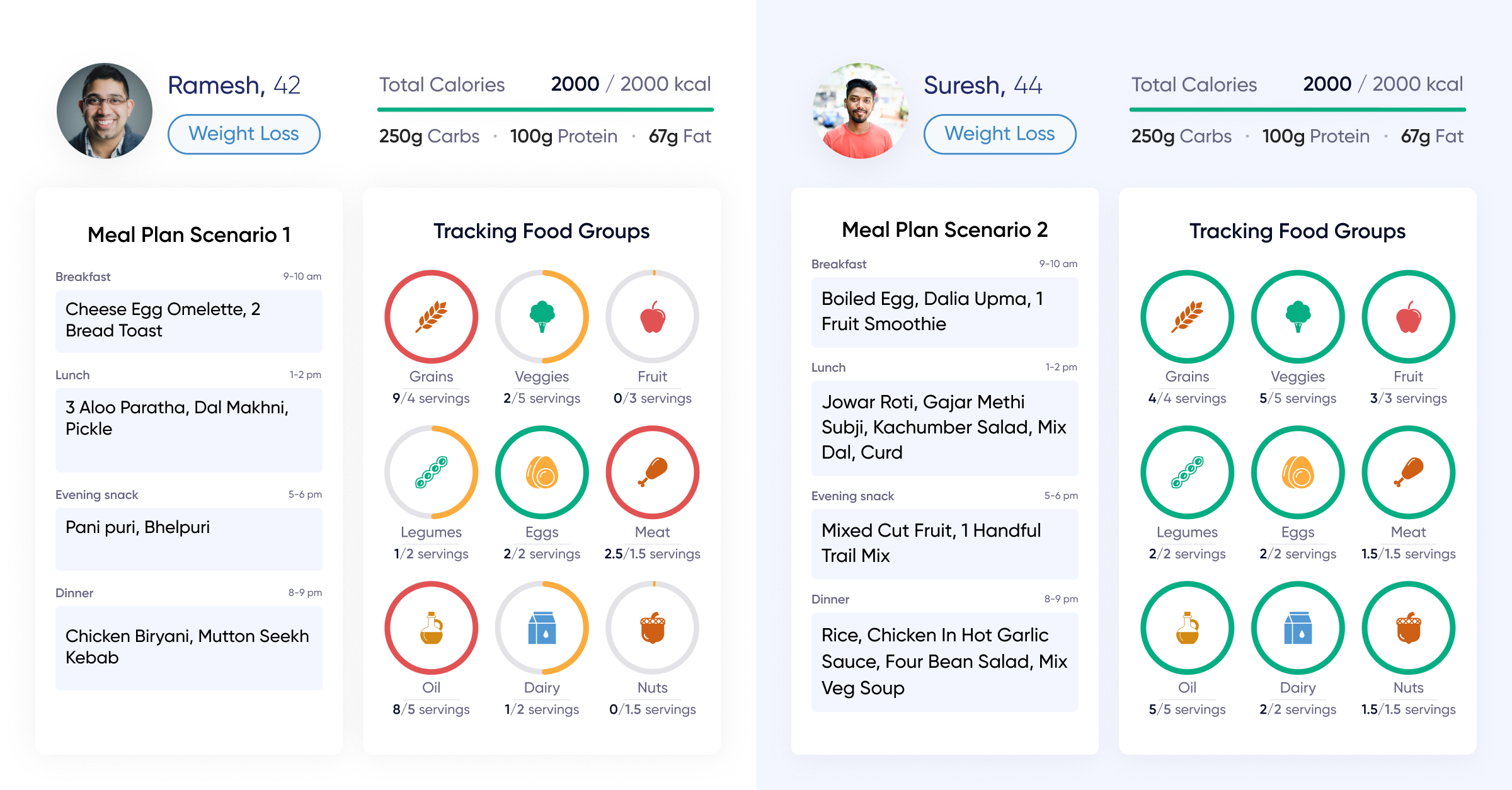
we’ll eat three rotis, a heap of rice, extra tadka, and a second helping of dal — without a second thought.
That’s the paradox of Indian nutrition today.
Indians don’t overeat junk. We overeat home food.

Let’s get one thing straight.
It’s not the occasional pizza.
It’s not the slice of cake at a birthday.
It’s not even the samosa on a Sunday.
It’s the daily, untracked excess that quietly adds up.
None of this feels indulgent.
None of this feels like cheating.
And that’s exactly why it works against us.

In the Indian context, home-cooked has become synonymous with healthy.
And while home food is usually better quality than packaged food, that doesn’t make it calorie-neutral.
Calories don’t care where they come from.
The body doesn’t see:
“Ghar ka khana”
It sees:
Total energy intake
If home food had nutrition labels stuck on it, most of us would panic.
Every few years, nutrition trends pick a new enemy.
First it was fat.
Then sugar.
Now carbs.
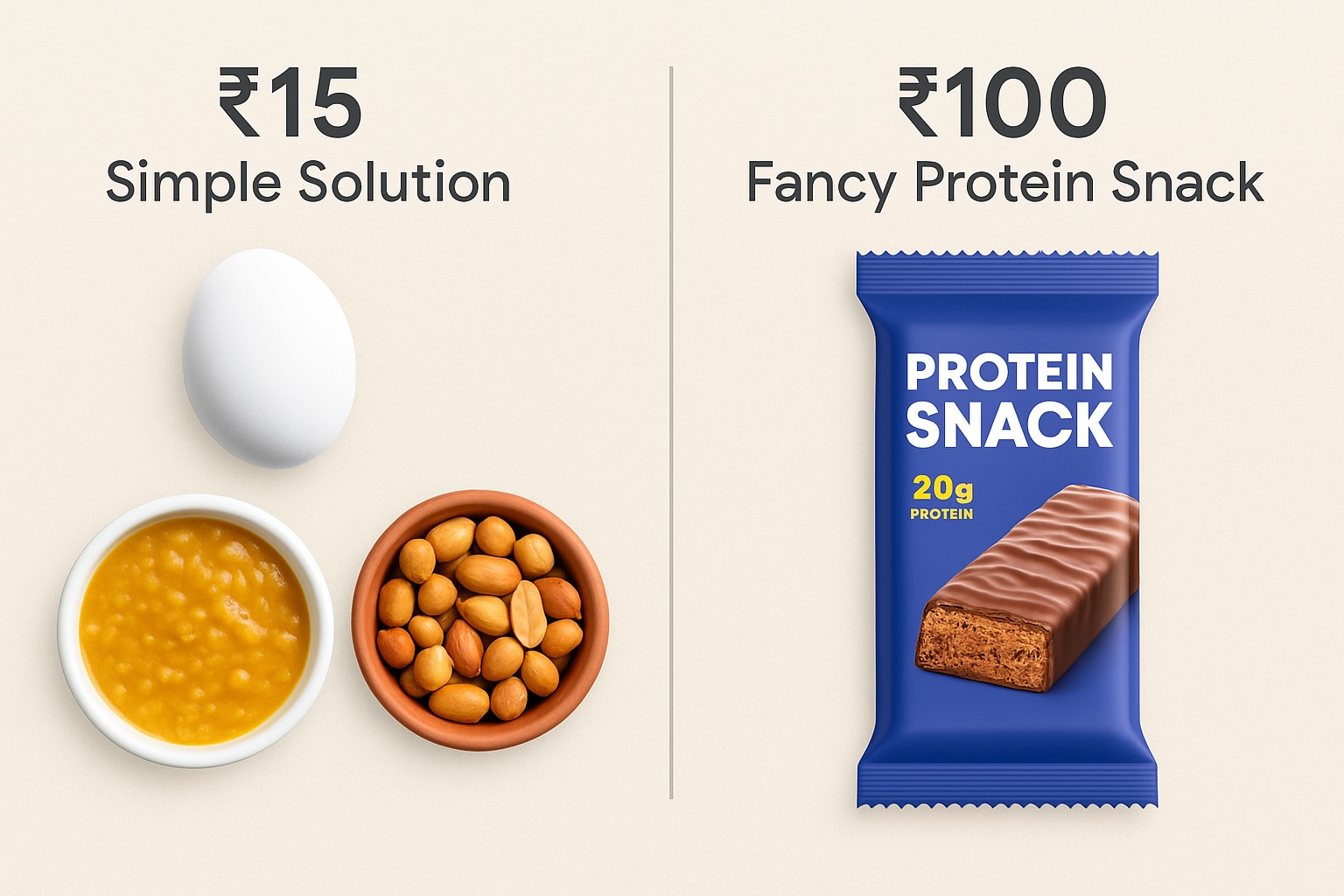
Currently, it’s “low protein”.
But here’s the uncomfortable truth:
Protein is not the problem.
Packaged food is not the problem.
Untracked portions are.
You can overeat protein.
You can overeat “clean food”.
You can overeat dal, chawal, sabzi, and curd.
And many Indians do — slowly, consistently, unknowingly.
India has one of the highest rates of:
And yet, most people will say:
“I don’t eat junk.”
They’re telling the truth.
The issue isn’t what we eat.
It’s how much, how often, and how unconsciously.
When calorie excess becomes daily and invisible, the body pays the price — quietly at first, then metabolically.
This is the part most people don’t like hearing.
Calories don’t disappear because we didn’t count them.
Metabolism doesn’t ignore excess because the food was traditional.
Your body keeps a very accurate ledger.
You may forget the extra roti.
Your insulin levels won’t.
You may ignore the extra tadka.
Your waistline won’t.
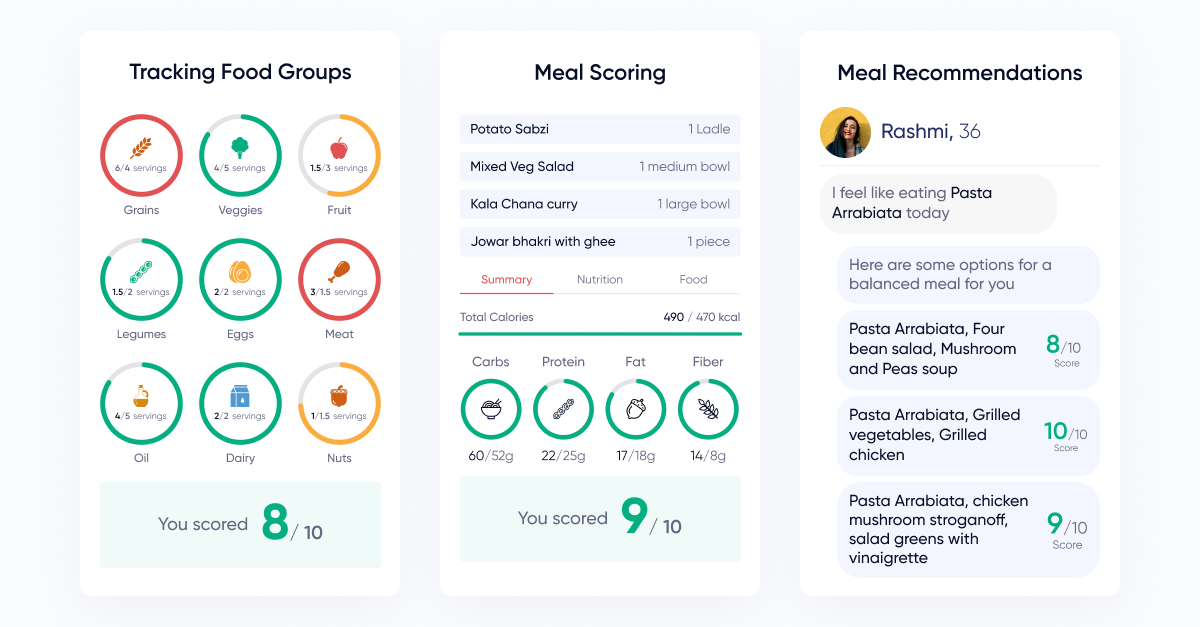
Tracking isn’t about obsession.
It’s about awareness.
GLP-1 medications haven’t succeeded because they ban foods.
They’ve succeeded because they restore satiety signals that years of overeating drowned out.
They don’t tell you:
“Don’t eat roti.”
They quietly make you stop at:
Two instead of four
That’s the real mechanism.
Not fat-melting.
Not metabolic magic.
Just portion control finally enforced by biology.
Which should tell us something important.
Weight loss doesn’t fail because Indians eat badly.
It fails because:
You don’t need extreme diets.
You don’t need to demonise Indian food.
You don’t need to live on salads and shakes.
You need awareness, moderation, and consistency.
We’ve become experts at fearing labels on packets.
But the biggest calorie blind spot in India is still:
What’s on our own plates
If you’re metabolically unhealthy, the uncomfortable truth is this:
Your problem isn’t what you eat.
It’s how much, how often, and how unconsciously.
And until we fix that, no trend — protein, carbs, GLP-1, or otherwise — will fully save us.