If you follow Bollywood, Instagram, or airport paparazzi reels, you’ve seen this story play out repeatedly.
A celebrity appears leaner than ever. Cameras flash. Someone asks about weight loss.
The answer is almost always the same:
“No meds. Just discipline.”
“OMAD.”
“Intermittent fasting.”
“Lifestyle changes.”
And rarely, if ever: GLP-1 medications like Mounjaro or Ozempic.
This isn’t coincidence. It’s psychology.
For decades, weight loss has been framed as a moral victory:
Using medication—even when medically appropriate—doesn’t fit that narrative.
GLP-1 drugs work. That’s no longer up for debate.
But socially, how you lose weight still matters more than why or whether it saved your health.
That’s why many public figures avoid acknowledging GLP-1 use.
The fear isn’t medical judgment. It’s loss of applause.
Let’s be clear.
GLP-1 drugs do not “melt fat.”
They don’t magically transform bodies.
They do one critical thing exceptionally well:
They restore appetite regulation.
For people who’ve spent years fighting hunger, cravings, and food noise, GLP-1s create something lifestyle advice rarely can—consistency.
And consistency, not motivation, drives weight loss.
Yes.
And that makes many people uncomfortable.
A marathon runner losing weight through discipline feels earned.
Someone losing weight in 3–6 months with medical support feels… unfair.
But obesity is a disease, not a character flaw.
And medicine exists precisely to reduce suffering—not to preserve struggle.
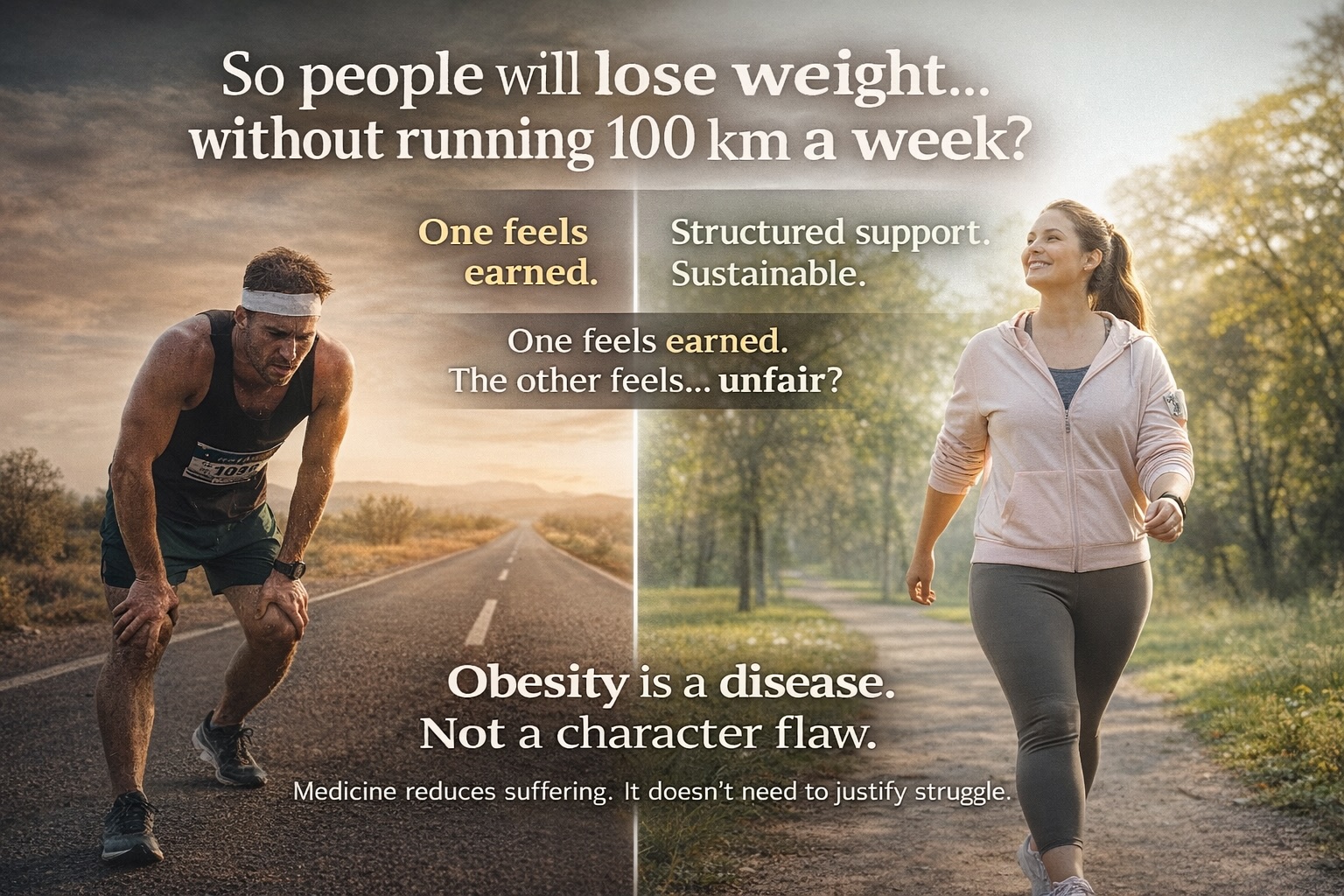
The GLP-1 revolution isn’t theoretical anymore. Its impact is measurable:
Entire industries are adapting—not because of influencers, but because biology is finally being addressed directly.
Here’s the uncomfortable truth rarely mentioned in celebrity soundbites:
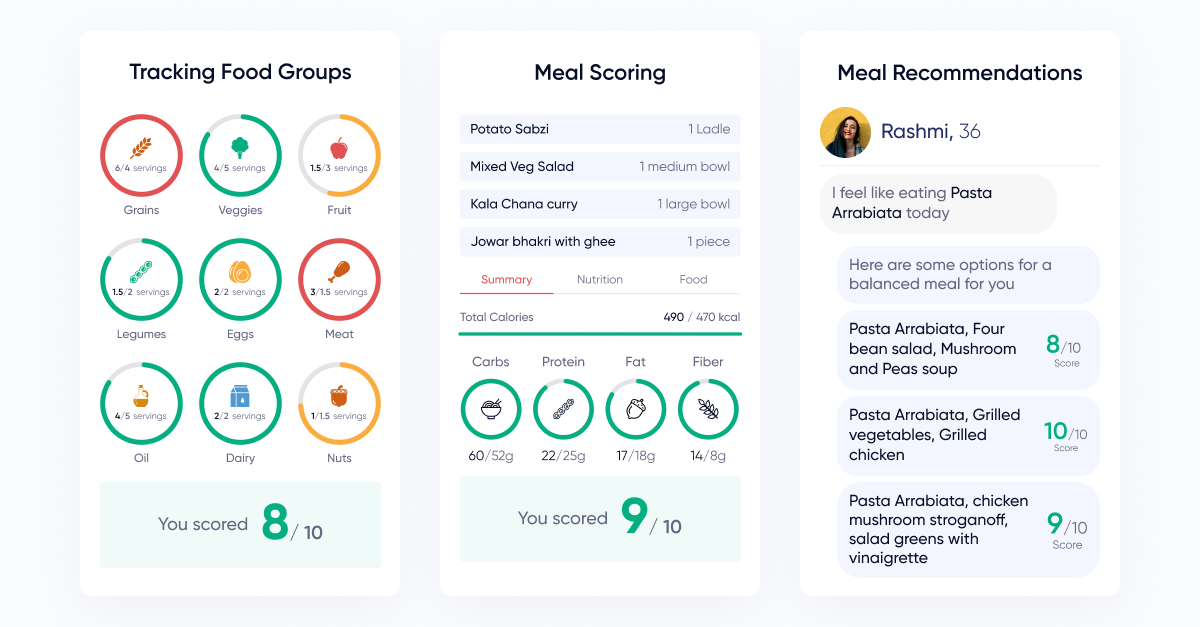
GLP-1 weight loss without support can come with:
Which raises the real question:
Can GLP-1 be used as a bridge, not a crutch?
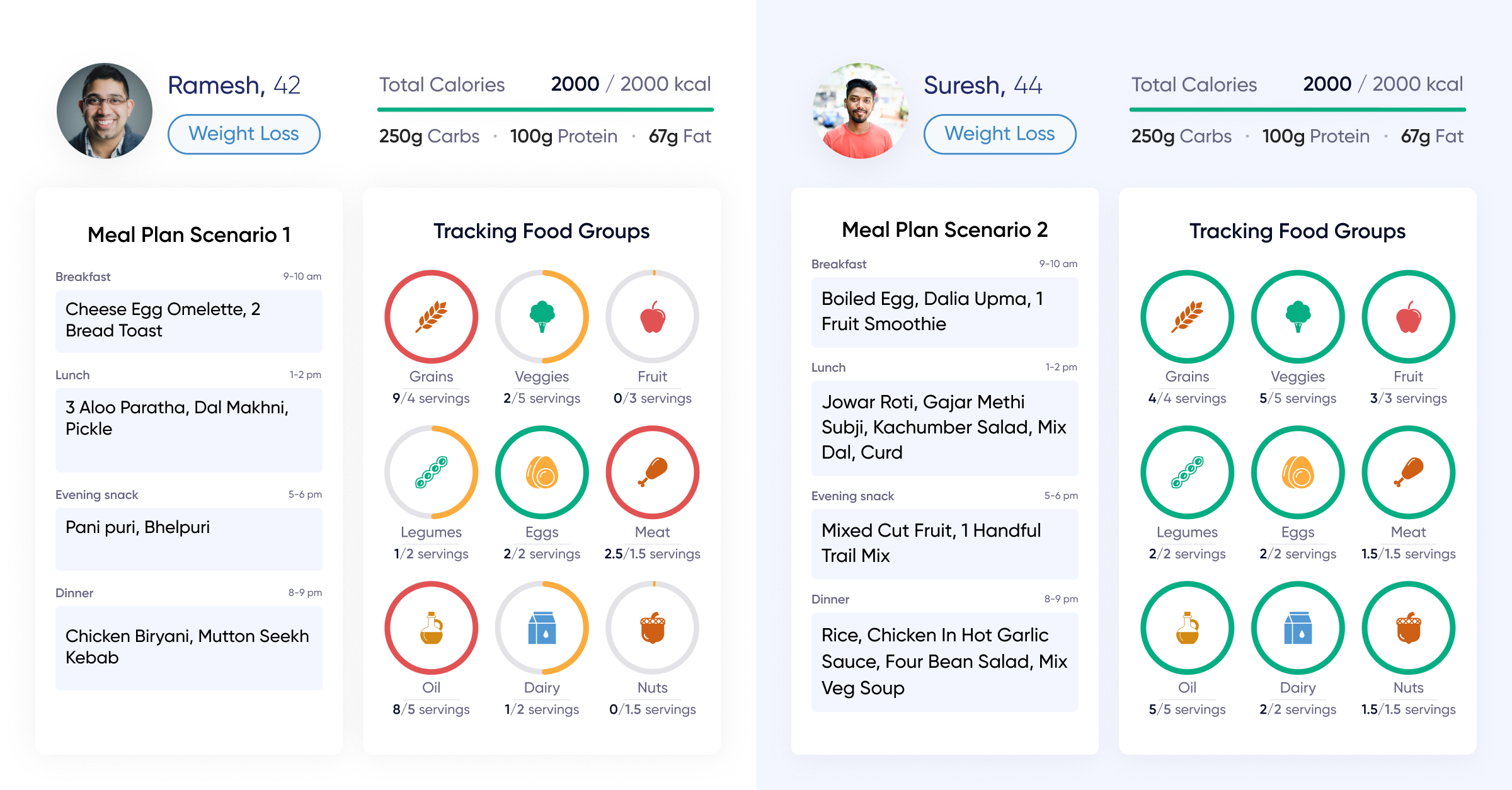
Yes—but only if lifestyle, nutrition, and habits are addressed during the medication phase.
GLP-1s are one of the most important medical breakthroughs of our time.
But they are not the destination. They are the accelerator.
The real win is:
That’s how short-term success becomes long-term health.
If someone loses weight with GLP-1 medication, that doesn’t make the achievement less real.
It makes it more humane.
The goal was never to suffer beautifully.
The goal was to live better.
And it’s time our narratives caught up with our science.
Try Caddy - The GLP-1 Buddy made for Indians