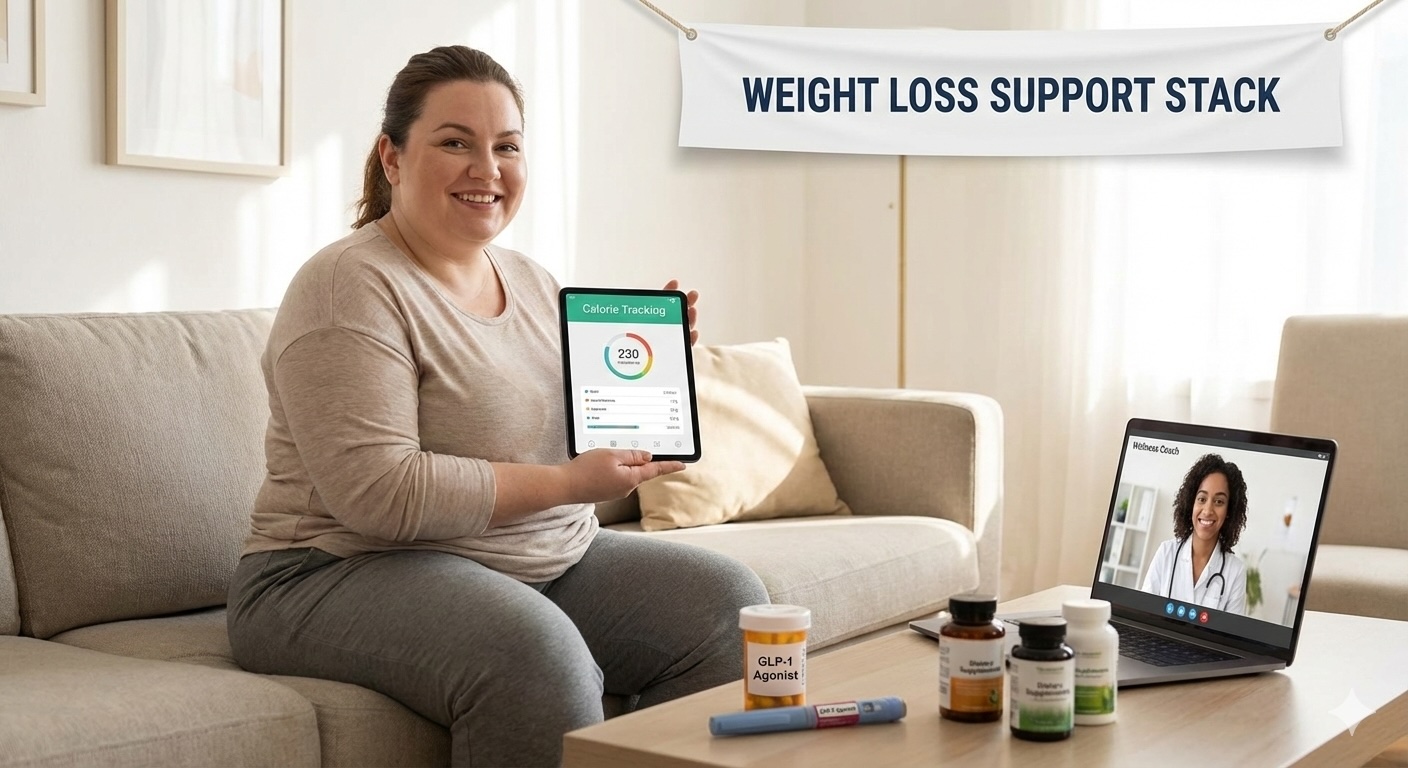
Over the years, we’ve seen waves of solutions promise results:
Each one works — partially.
None of them work — completely.
Now, GLP-1 medications like Ozempic and Mounjaro have entered the picture and changed the game. For the first time, appetite itself is being medically addressed. And yet, even this isn’t the full answer.
Obesity has never been a single-cause condition. It’s a systems problem.
One person might:
Each solution attacks one part of the problem, while ignoring the rest.
That’s why outcomes are inconsistent — and why long-term success is rare.
GLP-1s reduce appetite and cravings. That’s powerful — and overdue.
But they also come with side effects: nausea, bloating, constipation, low protein intake, muscle loss, and poor adherence without guidance.
Medication changes appetite.
It doesn’t manage nutrition, behavior, or safety by itself.
Calorie tracking works — when it’s accurate and sustainable.
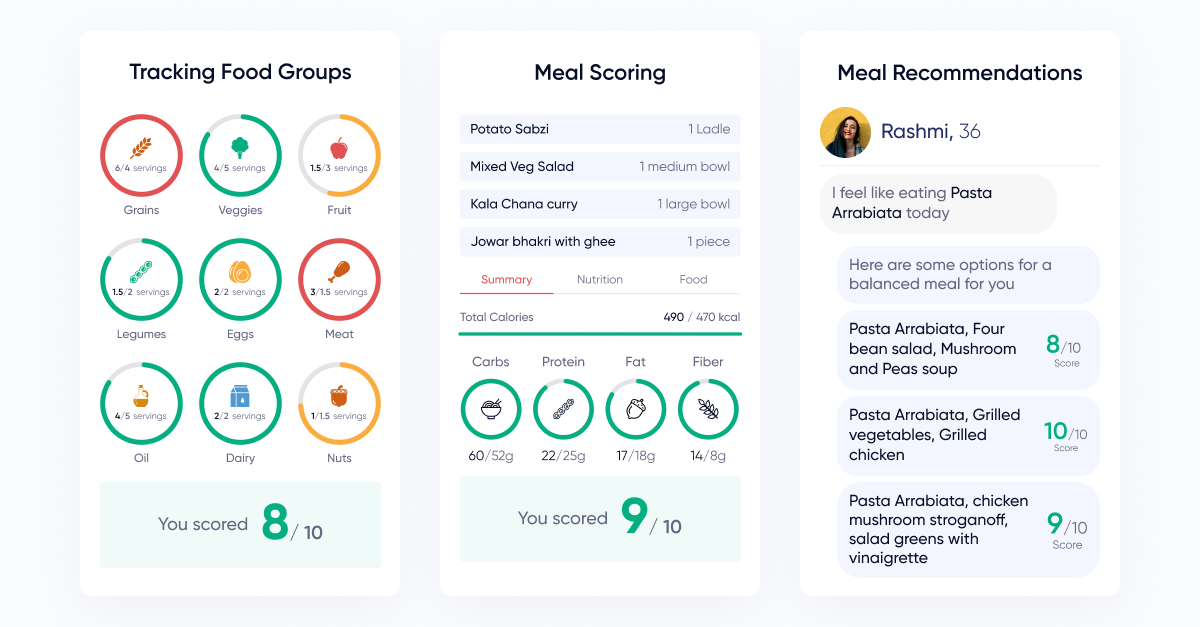
But most apps aren’t built for Indian food, Indian portions, or Indian eating habits. When data is wrong, trust breaks. When trust breaks, consistency disappears.
Tracking is a tool, not a strategy.
Exercise preserves muscle and metabolic health.
But workouts can’t out-train poor nutrition, unmanaged side effects, or inconsistent eating — especially on GLP medications.
Fitness supports weight loss.
It doesn’t replace nutrition or medication guidance.
Protein, fiber, gut support, and micronutrients matter more on GLP-1s.
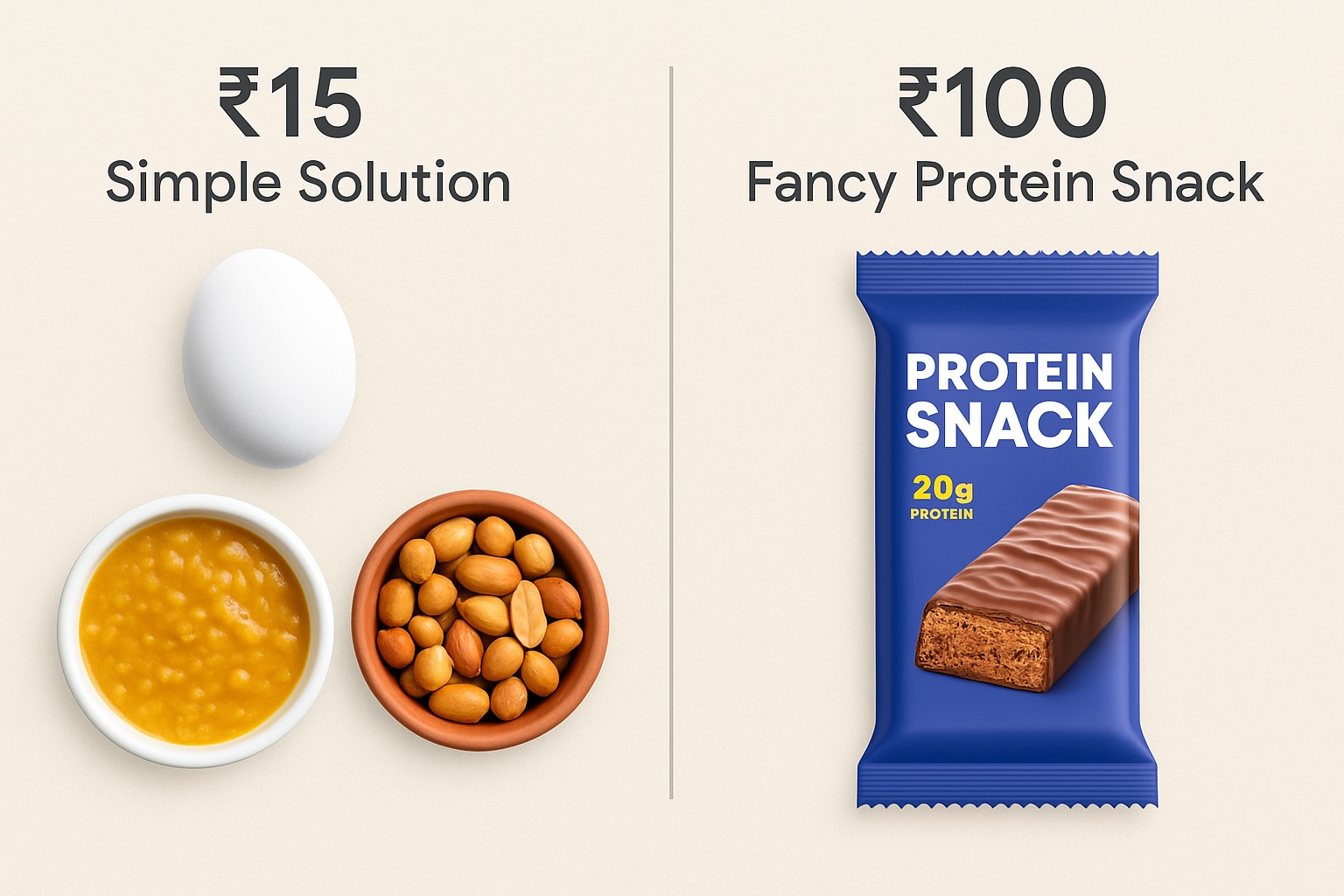
But supplements without context become guesswork — taken randomly, inconsistently, or unnecessarily.
Supplements fill gaps.
They don’t identify the gaps.
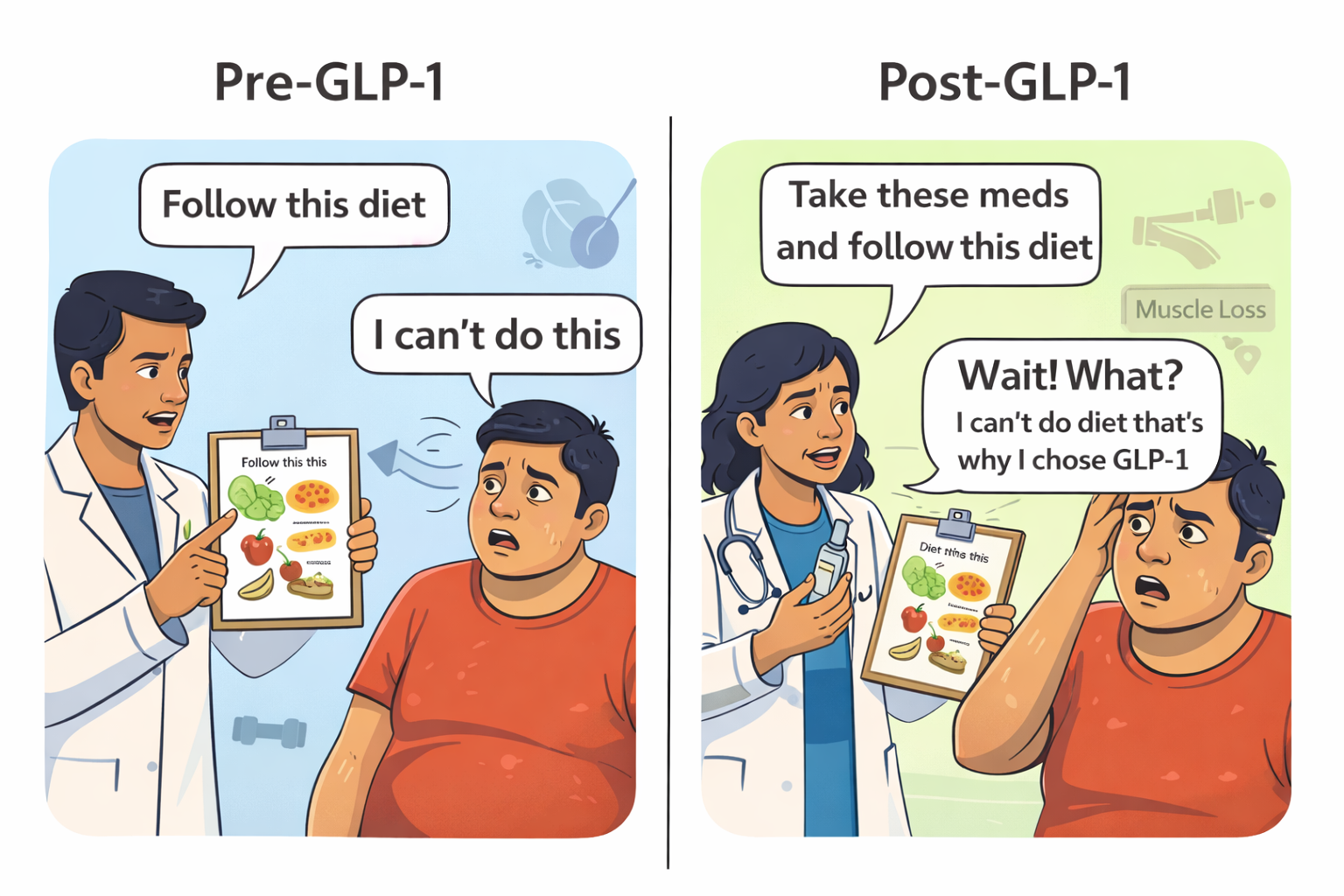
The real failure of obesity solutions isn’t intent — it’s isolation.
Each solution operates in its own silo:
Obesity doesn’t respond to silos.
It responds to systems.
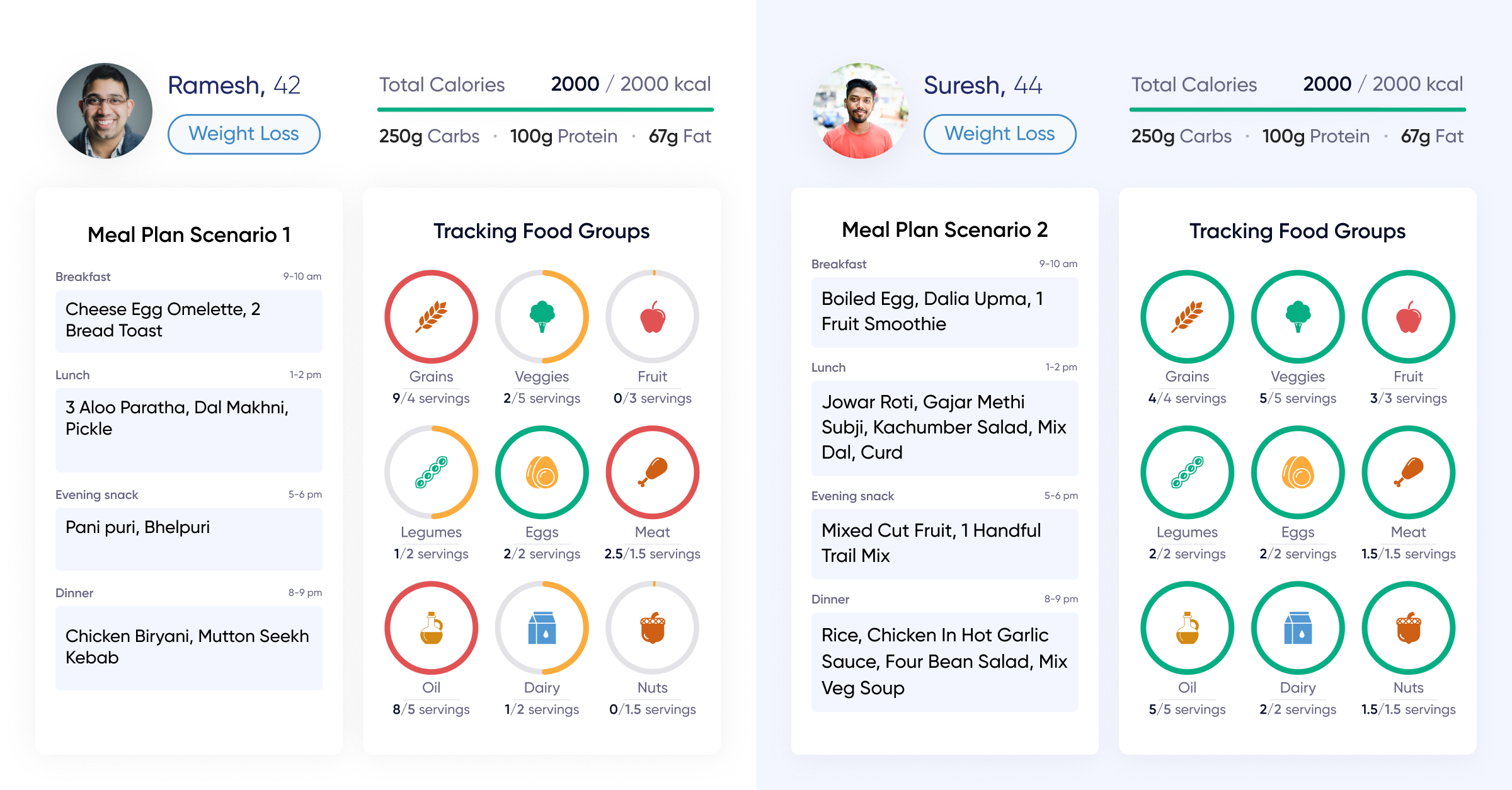
A modern, effective approach must combine:
Not five different tools.
One integrated ecosystem.
Indians face unique challenges:
Yet most global solutions are built for Western food and Western physiology.
That mismatch is why so many Indians struggle — even when they “do everything right.”
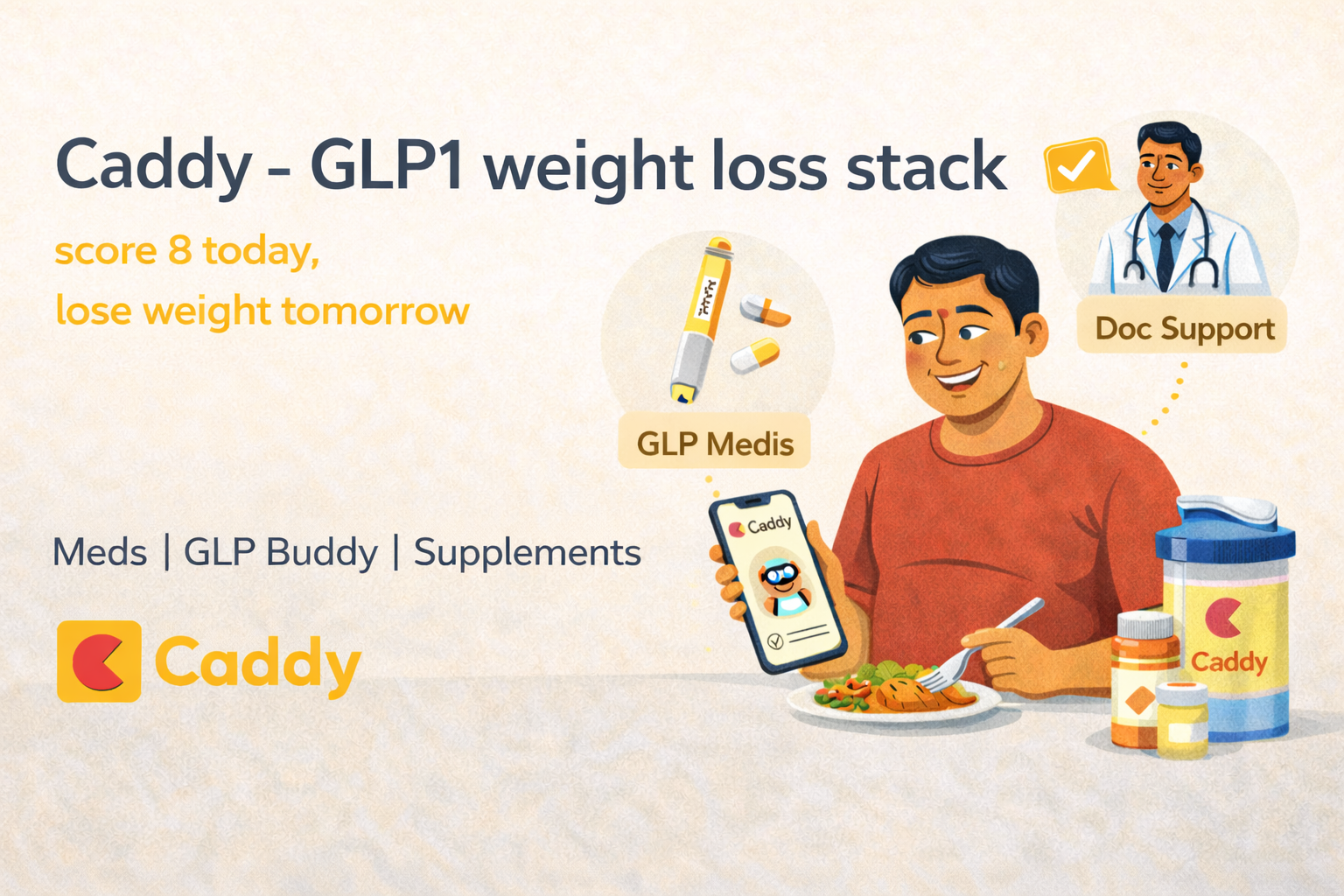
The future of weight management won’t be:
It will be all of them, working together.
GLP-1 medications may finally give us the biological leverage we lacked.
But outcomes will be decided by the systems built around them.
Obesity isn’t solved by one hero solution.
It’s solved by a coordinated, intelligent ecosystem — designed for real people, real food, and real lives.
GLP1 meds (ozempic, mounjaro etc) are a god send. Side effects are minimal and can be managed easily. Just need to take care of some simple basics to go with it. Try getcaddy.ai